
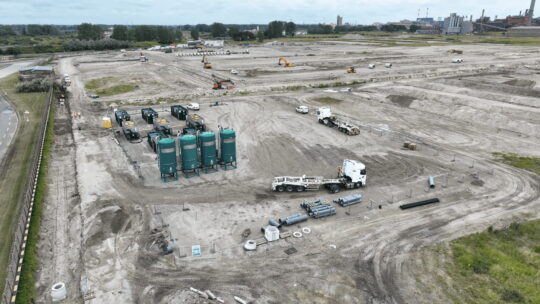
Soil and groundwater contamination continues to be a persistent and complex environmental challenge, particularly across municipal and industrial sectors.
Environmental pollution, accidental spills, and ageing infrastructure are a few of the key factors that cause contaminants to spread, causing long-term environmental damage and increasing compliance risks.
The increase in brownfield redevelopment projects highlights the need for effective remediation approaches to restore land, support regeneration and economic growth, and protect sites for future use.
At Puragen, we deliver practical remediation solutions for our clients. We help support responsible site management and effective filtration of contaminants, removing harmful pollutants from soils and groundwater.
What is Soil and Groundwater Remediation?
Soil and groundwater remediation services focus on removing pollutants from contaminated land. This is critical for brownfield sites and helps to ensure the ground is safe and suitable for later redevelopment.
Without intervention, hazardous materials can begin to traverse through soils and water. This leads to them leaching into other natural sources and harming surrounding communities, disrupting the ecosystem. The goal of contaminated land remediation is to remove and prevent movement, allowing soil and groundwater to reach safe, compliant levels. Common pollutants include:
- Dissolved Volatile Organic Compounds (VOCs)
- PFAS
- Hydrocarbons and petroleum residues
- Chlorinated solvents
Why Legislation Surrounds Soil and Groundwater Remediation
Pollutants are often linked to heavy industrial use, fuel production, and chemical storage. This results in overarching regulatory standards being put into place to help regulate the long-term consequences of these industries.
If contamination in soil and groundwater remains untreated, it can lead to migration that leeches into other surface waters and aquifers. This can endanger public health, particularly when exposed over lengthy periods of time. Subsurface contamination can lead to:
- Risks to human health through exposure to contaminated drinking water
- Long-term damage to ecosystems and biodiversity
- Regulatory and financial pressure for site owners
An effective remediation strategy ensures environmental safety, regulatory compliance and facilitates future development in the area.
How Does Land Remediation Work?
There is a range of technologies that set out to remove contaminants in liquid and gas phase applications, which are often based on the contamination type, environmental conditions, and the intended outcome. Amongst the available options is activated carbon, which is leading the way in capturing harmful contaminants.
Activated carbon works by a process called adsorption, whereby organic contaminants are trapped within the vast internal pore structure of the activated carbon. Remediation contractors often turn to mobile filtration units, either as fixed beds or ‘plug and play’ systems for full flexibility. These contain activated carbon and can be deployed quickly and reconfigured to suit varying site changes and needs.
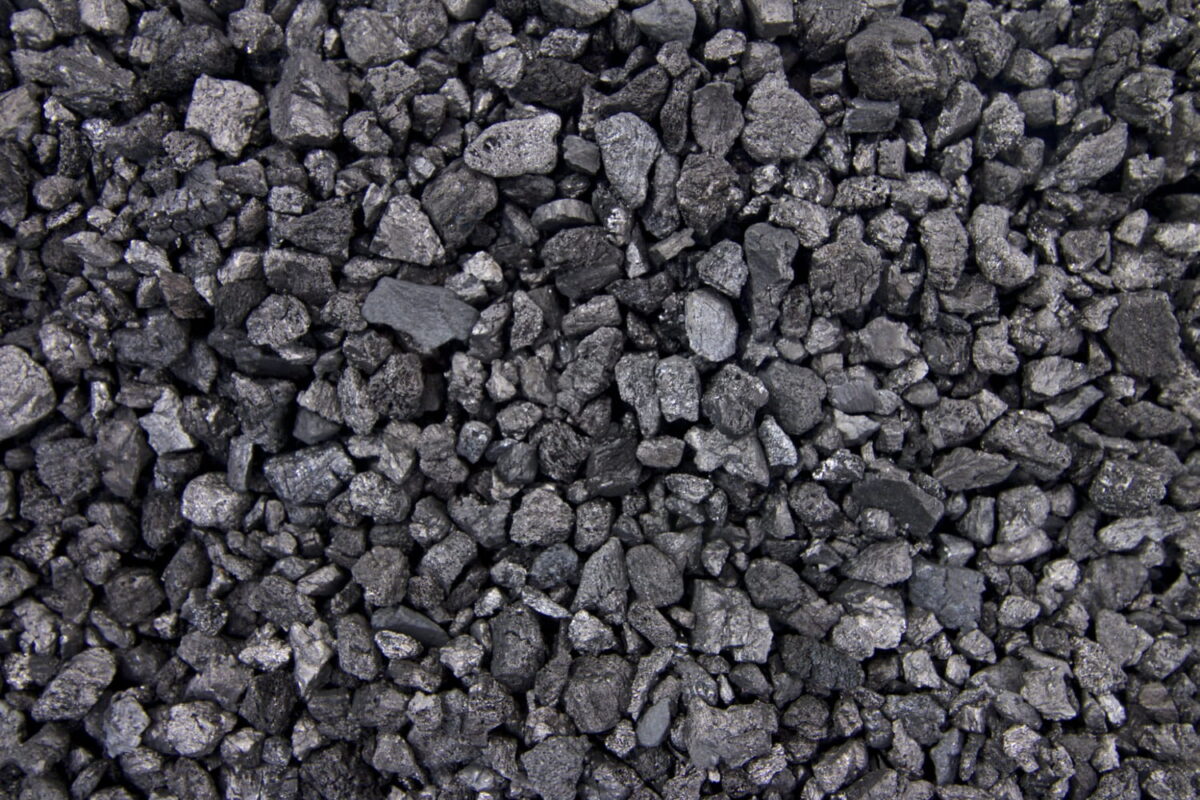
Granular Activated Carbon (GAC)
- Removes VOCs
- Eliminates PFAS
- Removal of hydrocarbons
- Can easily manage large volumes of contaminated groundwater
- Carbon beds can be reactivated and replaced
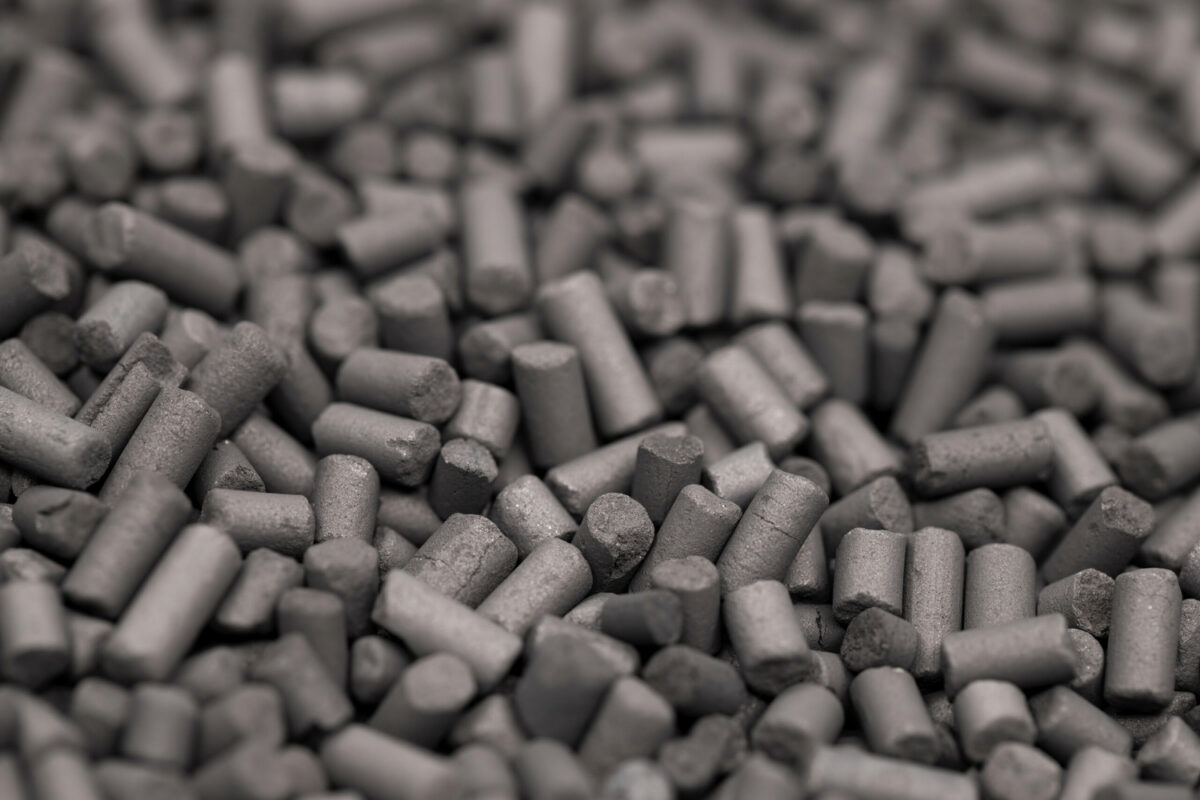
Extruded Pellets
- High mechanical strength
- Air filtration applications
- Soil vapour abatement
- Odour control
- Treatment of gas-phase contaminants

Sand
- Pre-treatment to remove solids and particulates
- In conjunction with activated carbon beds
- Applicable in sediment-heavy environments
- Enhances the lifespan of carbon beds
Why Use Mobile Filtration for Land Remediation
Mobile carbon filters offer streamlined purification in soil and groundwater remediation, making sustainable growth accessible and easy to integrate.
- Rapid plug-and-play operation
- Eliminate on-site carbon handling
- Modular, scalable, and CAPEX-free
- Available for short or long-term project requirements
- Delivered with specified carbons to meet contaminants on site
- Ready for reactivation when it reaches adsorption capacity
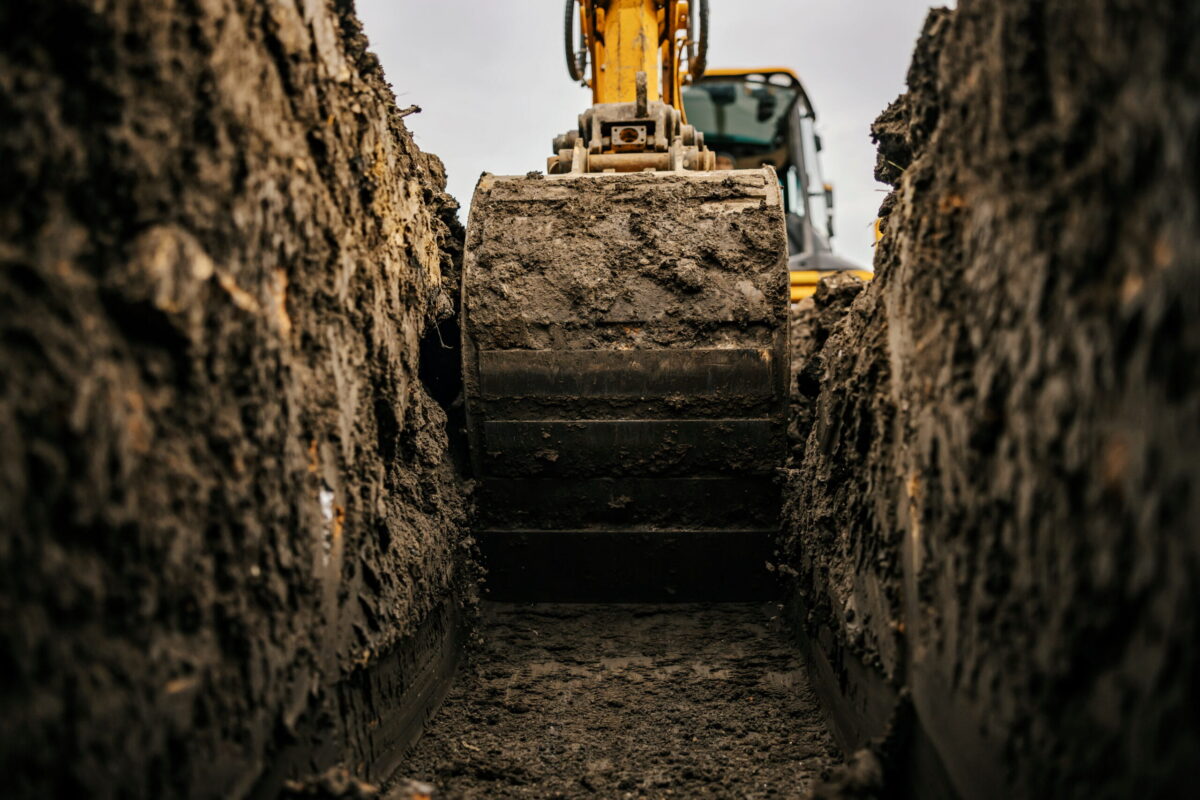
Eliminate Pollutants in Soil and Groundwater with Puragen Technology
At Puragen, we deploy mobile carbon filter systems that utilise high-grade activated carbons, capturing contaminants and helping industries meet regulatory compliance. Our mobile units are designed to be flexible, offering full adaptability as your sector evolves and demand increases. Our team at Puragen deliver a full turnkey approach, from installation through to award-winning spent carbon reactivation solutions, for your peace of mind.
For further guidance on how our activated carbon solutions can support soil and groundwater remediation, get in touch with one of our specialists today.