
Activated Carbon Reactivation
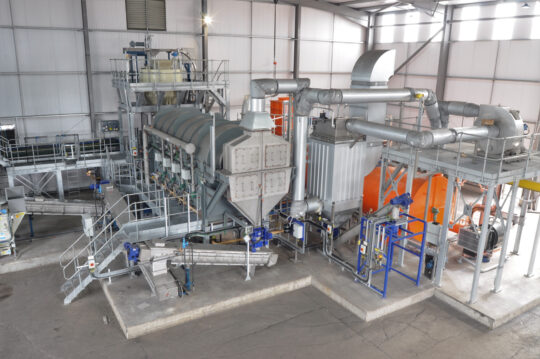
Puragen is a leader in sustainable carbon use, operating one of the most advanced closed-loop activated carbon reactivation networks in Europe.
Instead of sending spent carbon from drinking water treatment and industrial purification applications to landfill or other waste disposal, we recover it and transport it to a specialised thermal reactivation facility where it can be recycled, tested and certified for reuse.
Tailored reactivation of carbon
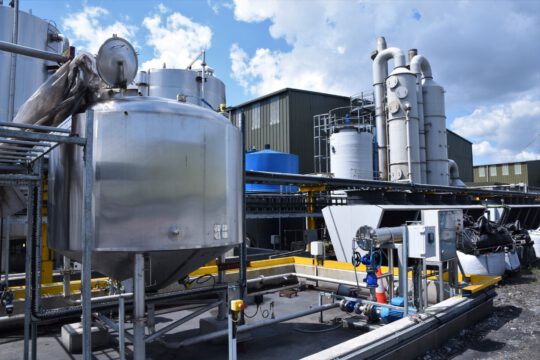
In many applications, we design bespoke plans for each customer through our activated carbon reactivation services, ensuring the right process is applied for each sector.
Each batch of spent carbon is carefully analysed to determine the most effective reactivation protocol. This allows us to maintain consistent adsorption performance, maximise carbon life cycles, and ensure recycled products meet operational standards.
Our award-winning technologies, including advanced PFAS removal and destruction, meet the highest standards for purity, compliance, and environmental safety. Each batch of reactivated carbon is fully analysed and tested before reuse.
By combining technical expertise, innovative technologies, robust logistics, and compliance systems, we help customers achieve closed-loop purification that reduces waste, conserves resources, and supports long-term environmental goals.
How does activated carbon reactivation work?
We operate a cost-effective, closed-loop carbon reactivation model that helps customers reduce environmental impact, meet sustainability targets, and cut long-term filtration costs.
Our carbon reactivation services work by restoring the adsorption capacity of spent carbon after it has become saturated with contaminants. We process carbon under carefully controlled thermal conditions to remove impurities and return it to high-performance carbon ready for reuse.
Our facilities adhere to strict quality, safety, and environmental standards, with full traceability and documentation at every step.
What are the benefits of carbon reactivation?
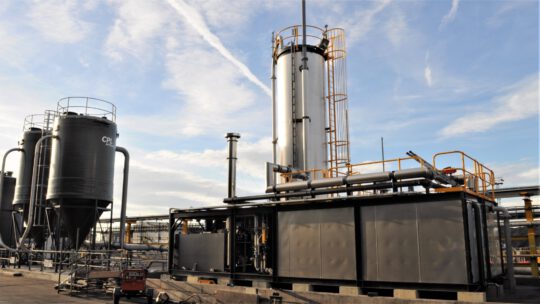
Puragen’s activated carbon reactivation processes are part of our closed-loop model. By reactivating spent carbon instead of replacing it, we reduce waste and costs for our customers.
Our award-winning carbon reactivation plant
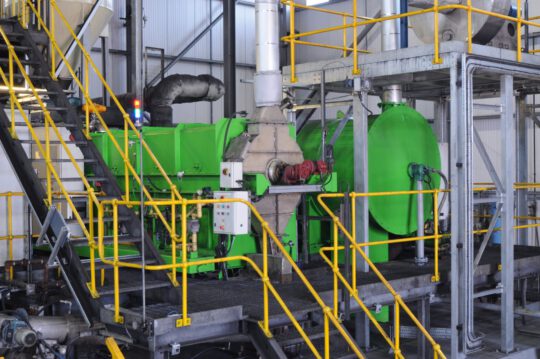
Puragen’s Immingham reactivation facility is the most advanced in the UK, recognised for its role in reducing CO₂ emissions and destroying PFAS contaminants.
Sustainability
| We won the 2024 Green Apple award for our PFAS technology and the 2023 award for environmental best practice for reducing the carbon footprint of activated carbon reactivation by up to 90% compared to virgin carbon production and disposal. |

Technical expertise
| We have extensive R&D and technical laboratories for testing and analysis, quality control and research and development of carbon reactivation products and processes. |

Scalable processing
| We reactivate thousands of tonnes of spent carbon each year and have the operational capacity to support high-volume industrial and municipal requirements across the UK and Europe. |

Total quality assurance
| We test and certify each batch of reactivated carbon to meet strict purity, safety and adsorption performance, providing full traceability and confidence for every customer. |
Frequently Asked Questions
Activated carbon reactivation is the process of restoring the adsorption capacity of spent carbon that has become saturated with contaminants. Spent carbon is thermally processed in a kiln under controlled conditions to remove impurities and regenerate its internal pore structure, returning it to high performance without the need for virgin carbon replacement.
Reactivating spent carbon is significantly more cost-effective than purchasing virgin activated carbon. By recovering and reprocessing your existing carbon stock, Puragen helps reduce disposal fees, eliminate virgin material procurement costs, and lower long-term filtration expenditure — while also achieving CO₂ savings of over 90%.
Yes. Puragen’s award-winning reactivation facility at Immingham is specifically designed to handle PFAS-laden spent carbon. Our advanced thermal oxidisers and emissions control systems destroy PFAS contaminants during the reactivation process, preventing release into the environment and meeting strict regulatory standards.
Activated carbon can typically be reactivated multiple times before its performance degrades beyond usable levels. The exact number of cycles depends on the application, contaminant loading, and carbon type. Puragen analyses each batch to determine suitability and maintain consistent adsorption performance across reactivation cycles.
A closed-loop model means the same batch of spent carbon is collected from a customer, reactivated, tested, certified, and returned to that same customer for reuse — maintaining full traceability and quality assurance throughout. This is particularly important in drinking water treatment, where regulatory compliance requires documented carbon provenance.
Puragen reactivates a wide range of spent carbons across three facilities: CR1 for drinking water and food-grade carbons (including Halal and Kosher certified); CR2 for industrial and environmental applications such as biogas, VOCs, wastewater and remediation; and CR3 for high-sulphur carbons from biogas and biomethane applications. Some categories — such as pharmaceutical waste and coal-fired power carbons — require specialist disposal instead.
Yes. Puragen’s CR1 reactivation process is specifically designed for drinking water applications. Spent carbon undergoes a proprietary hot acid wash before thermal reactivation, and each batch is fully tested and certified before return. Our closed-loop approach ensures the same batch is returned to the same customer, supporting regulatory traceability and water safety compliance.
Thermal reactivation works by gradually rotating spent carbon through a rotary kiln at carefully controlled temperatures. This desorbs and combusts the adsorbed contaminants, restoring the carbon’s internal pore structure and adsorption capacity. Advanced emissions control systems — including thermal oxidisers and chemical scrubbers — destroy pollutants released during the process, ensuring regulatory compliance.
Carbon reactivation reduces CO₂ emissions by over 90% compared to disposing of spent carbon and producing virgin replacement material. It diverts waste from landfill, reduces demand for raw material extraction, and supports circular economy principles. Puragen’s Immingham facility has won Green Apple awards in both 2023 and 2024 for its environmental performance.
Puragen operates an integrated logistics network across the UK and Europe. We collect spent carbon from customers’ fixed filter systems and our own mobile filter fleet, handling all transportation safely and in compliance with environmental regulations. Carbon is then transported to our Immingham reactivation facility for processing, testing, and return.