

Adsorbable Organic Halides (AOX) are one of the most closely monitored groups of contaminants in industrial wastewater. As regulatory pressure increases and environmental expectations rise, operators across chemicals, pharmaceuticals, coatings, agriculture and waste management are being asked to demonstrate far stronger control over halogenated organic pollutants.
What Are AOX?
AOX refers to Adsorbable Organic Halides: a broad group of organic compounds containing halogens such as chlorine, bromine or iodine. AOX compounds are toxic, bioaccumulative and persistent. Widely used in industrial processes, they can easily enter wastewater streams.
Common AOX found in industrial effluents include:
- Dichloromethane (DCM)
- Trichloroethylene (TCE)
- Chloroform (trichloromethane)
- Chlorophenols
- Chlorobenzene
- Halogenated pesticides
Some AOX degrade naturally, but many do not. Among the most concerning are Persistent Organic Pollutants (POPs) such as polychlorinated biphenyls (PCBs) and dioxins, which can remain in the environment for decades. These compounds bioaccumulate in our water networks, contaminate soils and groundwater, and are linked to significant ecological and human health risks. They must be removed from wastewater prior to discharge.
AOX, EOX, POX and VOX: What’s the Difference?
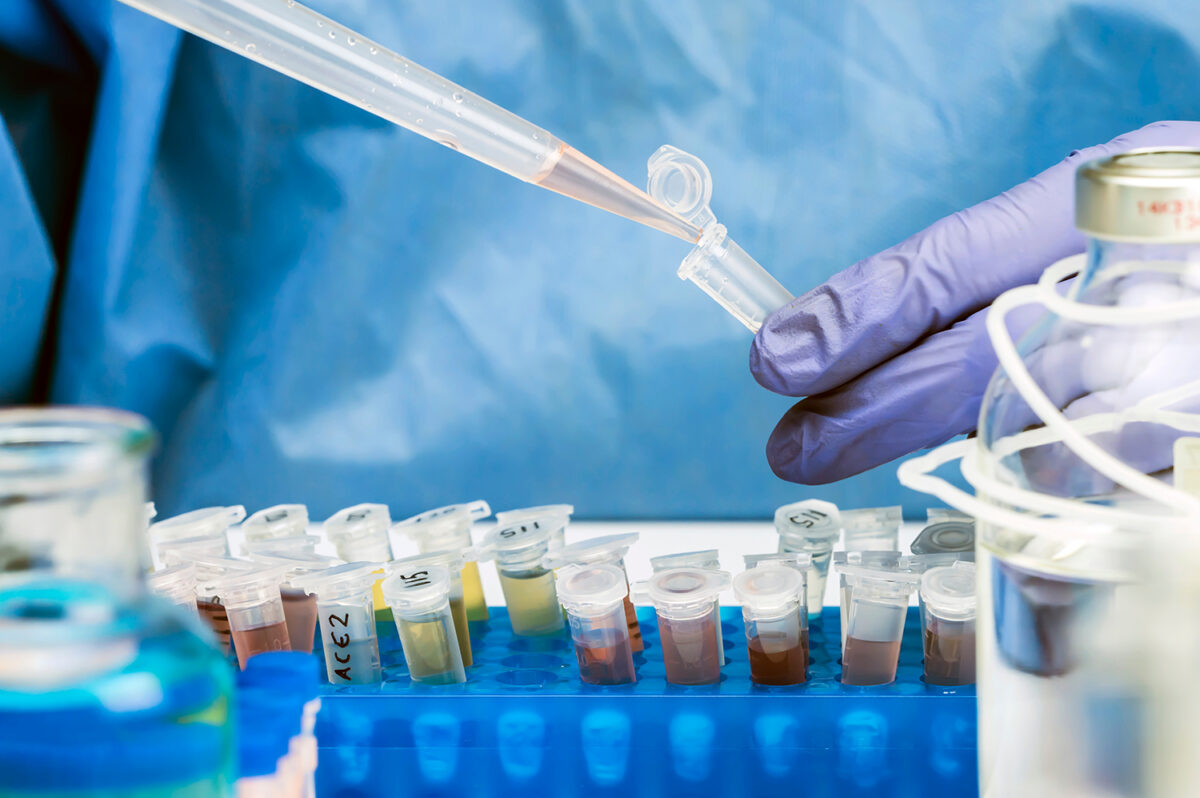
AOX is often confused with related parameters that measure different subsets of halogenated organic compounds. Here’s a quick guide:
- AOX (Adsorbable Organic Halides) — the total sum parameter, measured by adsorbing compounds onto activated carbon. The standard regulatory measure for halogenated organics in wastewater.
- EOX (Extractable Organic Halides) — halogenated organics extracted using organic solvents. Used to identify specific compound classes rather than a total load.
- POX (Purgeable Organic Halides) — volatile halogenated compounds that can be purged from a water sample with an inert gas. Captures compounds like chloroform and DCM.
- VOX (Volatile Organic Halides) — similar to POX, focusing on the most volatile fraction. Less commonly used in regulatory contexts.
In practice, AOX is the parameter most commonly specified in discharge consents and environmental permits, and is the primary measure operators need to manage and report.
Where Do AOX Come From?
AOX contamination is common across a wide range of industrial sectors. Typical sources include:
- Pharmaceutical manufacturing
- Chemical production
- Coatings and adhesives
- Agricultural products and pesticides
- Landfill leachate
- Groundwater remediation sites
AOX compounds are resistant to biodegradation, meaning contamination can persist in soil and groundwater for years without active treatment.
Regulatory Limits
AOX limits are sector-specific and are generally set through environmental permits based on Best Available Techniques (BAT) rather than a universal discharge standard. In the UK, AOX is a mandatory monitoring requirement under wastewater discharge permits, and must be tested in accordance with EN ISO 9562 standards. The Environment Agency sets site-specific limits through individual permits, with guidance for chemical waste treatment installations published in RPS 371.
The typical discharge limit for AOX is less than 1 mg/L, though this varies by sector and permit conditions.
BAT wastewater limits in the EU
| Industry | Typical AOX BAT-AEL (mg/L) |
| Chemical industry | 0.5–5 |
| Pulp & paper | 0.1–1.5 |
| Waste treatment | Site specific |
| Pharmaceuticals | Permit specific |
Why AOX Removal Matters
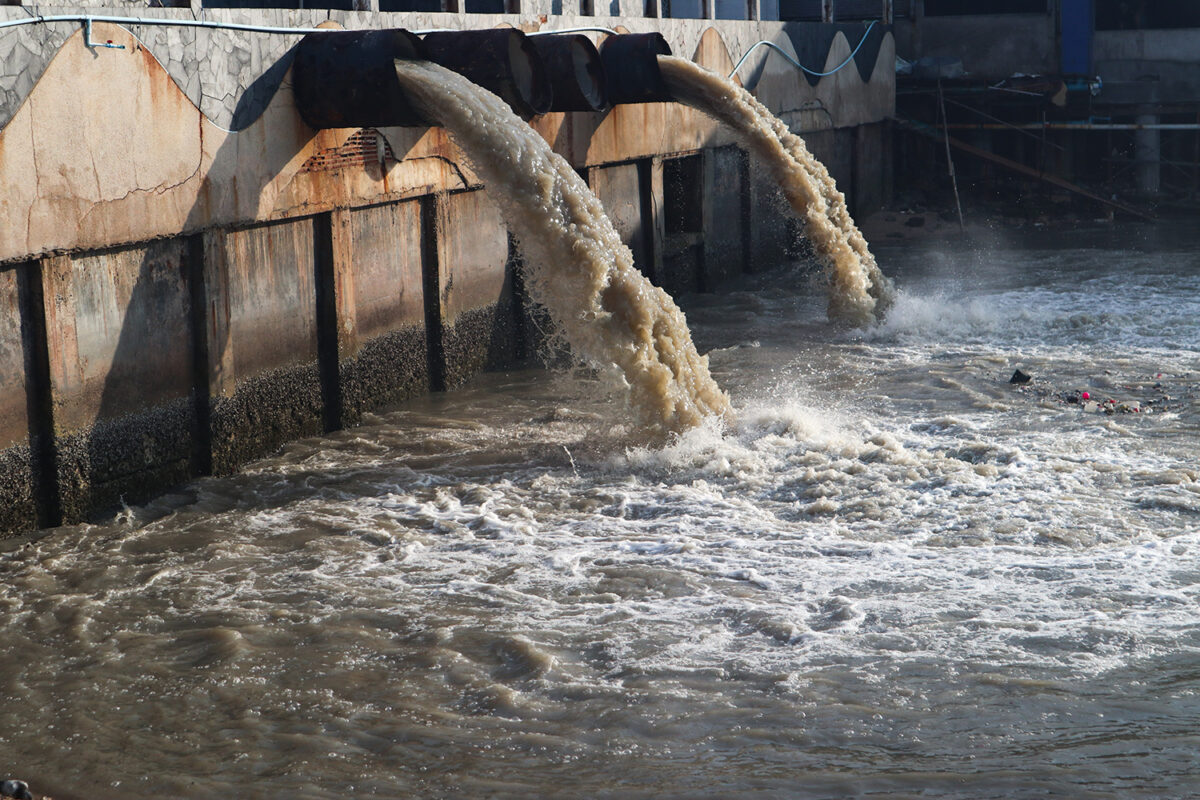
Left untreated, AOX can compromise ecosystems, contaminate drinking water sources and create costly long-term liabilities for site owners. Effective AOX removal is essential for:
- Environmental protection
- Regulatory compliance
- Corporate sustainability commitments
- Safe site redevelopment and remediation
How AOX Are Removed from Wastewater
Among all available treatment technologies, activated carbon adsorption remains the most effective and widely adopted method for AOX removal.
Why Activated Carbon Works for AOX Removal
Activated carbon has a highly porous structure and large internal surface area, enabling it to adsorb halogenated organic molecules efficiently. It is particularly effective for:
- Chlorinated solvents
- Halogenated aromatics
- Pesticides
- VOCs
- POPs
This makes activated carbon the ideal solution for both continuous industrial treatment and remediation projects.
Puragen’s Activated Carbon Solutions for AOX Removal
Puragen provides a complete AOX treatment solution built around high-performance activated carbon and flexible deployment options.
Specialised Activated Carbon Grades
Puragen selects specific carbon grades engineered for halogenated organics, ensuring high adsorption capacity, optimum adsorption kinetics and stable performance under variable loading. This ensures efficient AOX removal even in complex wastewater matrices.
Mobile Filtration Systems
Puragen’s mobile filters provide rapid, plug-and-play AOX treatment for industrial process water, emergency contamination events, landfill leachate, groundwater and soil remediation, and temporary treatment during plant upgrades. These systems deliver immediate compliance without requiring permanent infrastructure.
Closed-Loop Carbon Reactivation
Puragen’s REACT-Sys+ reactivation technology enables the recycling of POPs-containing spent carbon, allowing it to be safely reused and eliminating the need for landfill or incineration. This significantly reduces the lifecycle carbon footprint of AOX treatment.
Where Puragen’s AOX Solutions Are Used
- Manufacturing: coatings, adhesives, chemicals, agricultural products
- Landfill sites: treating AOX-rich leachate
- Remediation projects: purifying contaminated groundwater and soil
- Industrial wastewater treatment: ensuring compliance with tightening AOX discharge limits
Common Questions About AOX
Can AOX be treated on-site?
Yes. Puragen’s mobile filtration systems can be deployed directly to site, making on-site AOX treatment practical for both permanent operations and short-term remediation projects. No permanent infrastructure is required.
What happens to spent carbon containing POPs?
Spent carbon containing POPs-class compounds requires careful handling. Puragen’s REACT-Sys+ reactivation process is specifically designed to manage POPs-laden carbon safely, recovering and reusing the carbon rather than sending it to landfill or incineration.
How quickly can AOX treatment be deployed?
Puragen’s mobile filtration units can typically be on-site and operational within days of an enquiry, making them suitable for emergency contamination events as well as planned treatment programmes.