
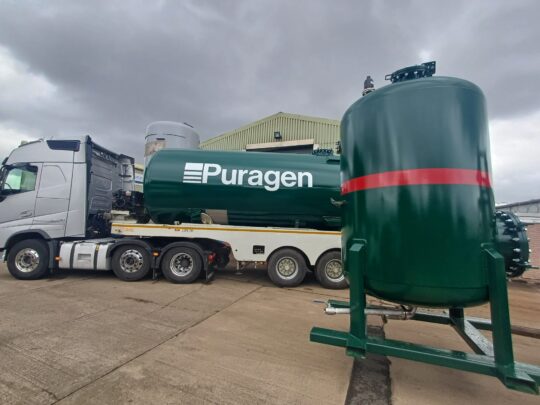
Mobile Activated Carbon Filtration
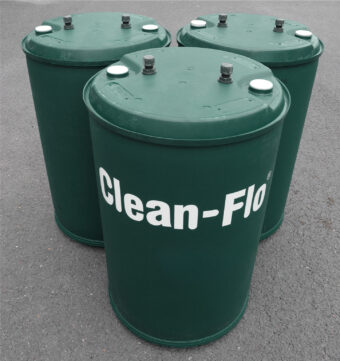
We design, build, and operate a fleet of modular mobile activated carbon filters for liquid and gas phase purification, designed, maintained and deployed by our expert service teams. This enables us to deliver flexible, fast and efficient filtration for numerous applications and industries.
Whether supporting planned maintenance, temporary treatment requirements or long-term purification projects, our mobile carbon filters provide a practical and scalable solution.
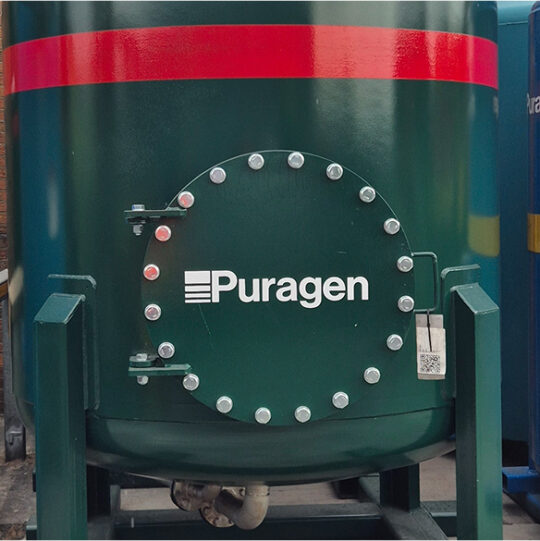
How do mobile carbon filters work?
Our mobile activated carbon filtration systems are non-disruptive, plug-and-play units that come preloaded with activated carbon optimised for specific applications and contaminants. They operate as either standalone units or integrated alongside existing infrastructure to increase the treatment capacity and flexibility of filtration systems.
Our engineering team designs, specifies, and sources the necessary components for installation. Then we run a post-installation check to verify safety and functionality, providing ongoing monitoring and maintenance to ensure continued performance and purification.
Once installed, we take care of all the filter exchange logistics, minimising downtime and disruption to operations.
| We customise each system’s design and activated carbon selection for maximum adsorption efficiency, treatment performance and operational reliability. |
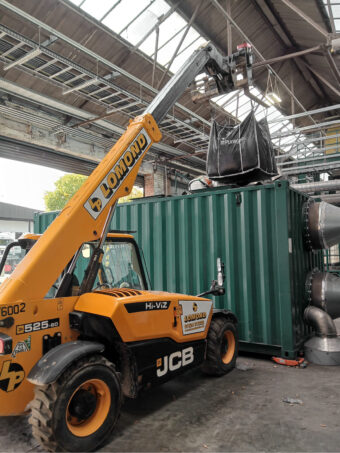
| We transport fully prepared mobile carbon filters directly to each customer’s facility and exchange the previous filter where required. |
| When the carbon reaches its adsorption capacity, or the treatment objective is no longer being achieved, we safely and conveniently replace the spent filter with a fresh unit to maintain continuous purification. |
| After removal of the spent unit, we transport the activated carbon either to our award-winning facility for reactivation or for disposal in line with local regulations and sustainability targets. |
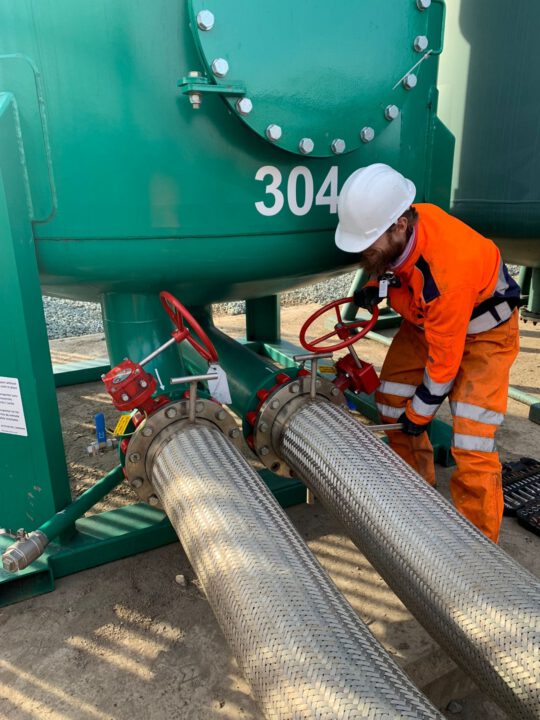
The benefits of mobile carbon filters

Streamlined purification
| Self-contained and maintenance-free mobile filtration systems. Our carbon filtration service includes hassle-free filter exchange, logistics and ongoing support for continuous purification with minimal disruption. |
Plug-and-play operations
| Every mobile filter comes pre-filled with activated carbon and is ready to connect and start working immediately, either as a standalone unit or integrated with existing treatment systems. |

Flexible costs
| Zero capital expenditure and maintenance costs. High-performance purification at a predictable cost, providing improved budget flexibility and operational agility. |

Modular scalability
| Our mobile filters can operate in series or parallel, so you can grow your purification capacity to scale with demand without requiring permanent infrastructure changes. |
Primed for reactivation
| For suitable applications, when activated carbon in a filter reaches adsorption capacity, we can exchange and reactivate it at our award-winning, state-of-the-art reactivation facility, supporting performance and sustainability goals. |
Our mobile filter solutions
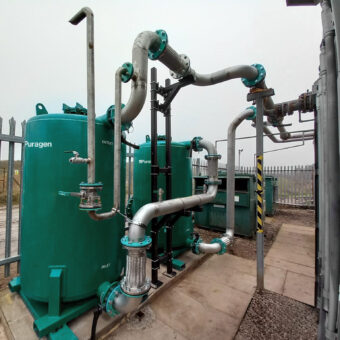
Puragen’s mobile filtration range provides off-the-shelf and customisable solutions across liquid and gas phase applications, including high-volume treatment.
Whether purifying biogas, water, air, or industrial emissions, our pre-engineered mobile filtration systems deliver fast, effective contaminant removal with minimal disruption.
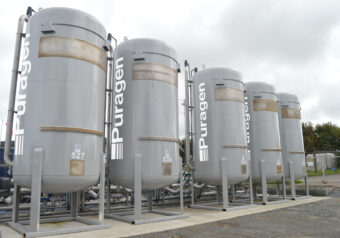
Liquid Phase Purification
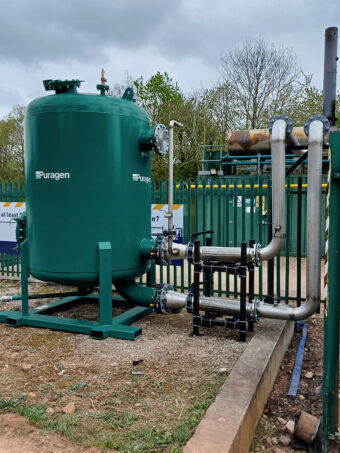
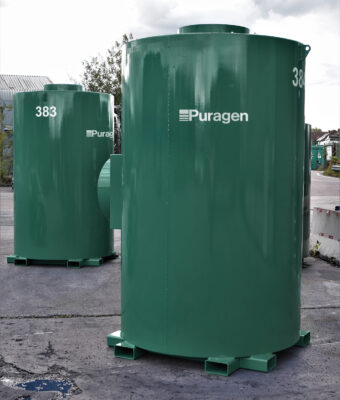
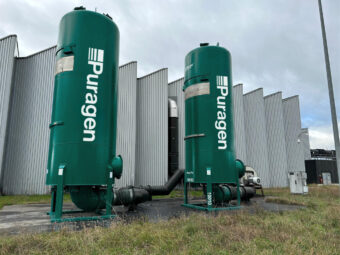
Designed for water and liquid purification, AquaSorber® filters efficiently remove pesticides, PFAS, dissolved VOCs and other organic contaminants from drinking water, wastewater and process water, as well as chemicals, pharmaceuticals, and food & beverage production processes.
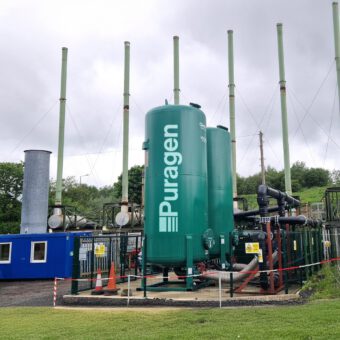
Gas Phase Purification
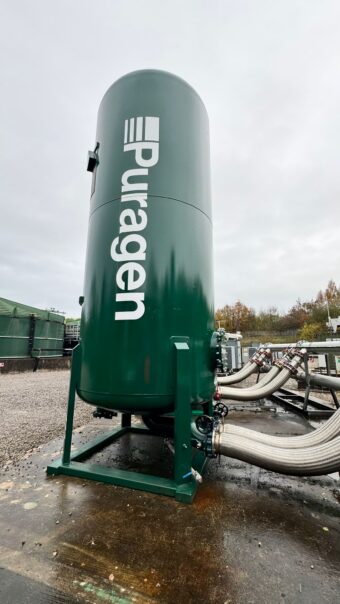
Ideal for industrial air purification and biogas scrubbing, VOCSorber® removes volatile organic compounds (VOCs), odours and many hazardous gases, helping sectors lower emissions and improve air quality.
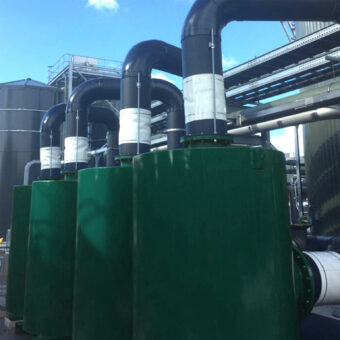
High Flow Gas Treatment
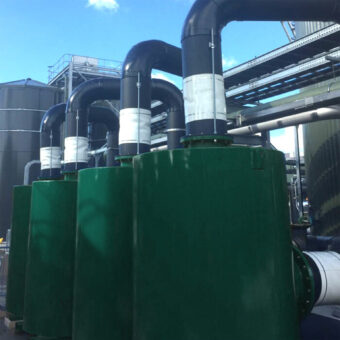
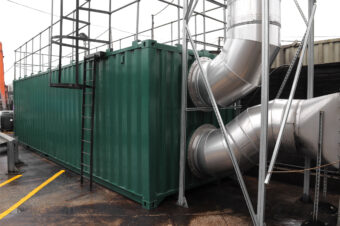
For applications that require high-volume gas treatment, High Flow mobile filters provide scalable, high-capacity solutions for large-scale odour control and VOC abatement applications.
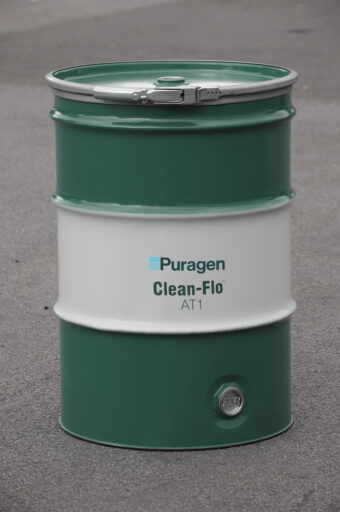
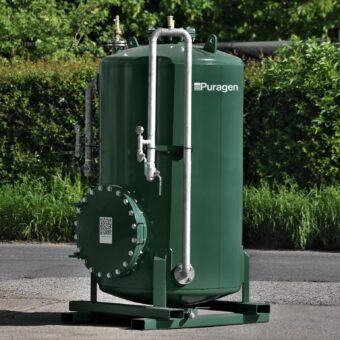
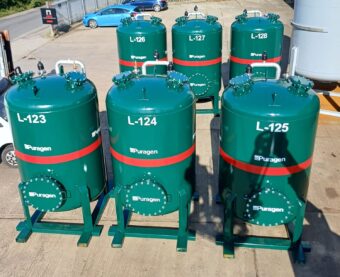
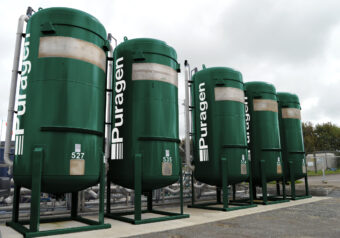
Explore our mobile filter range
Our Capabilities
To deliver the best possible filtration solutions for every customer, Puragen takes a long term partnership approach, we can manage and support each and every stage of the journey, and are committed to innovation to improve everything we do.

Expertise & Analytics
Our award winning chemists, materials scientists and engineers use leading lab facilities and analytics to derive and support precise technical solutions for each customer requirement.

Carbon Engineering
We supply a comprehensive range of carbons tailored to specific applications. We also enhance the performance of our carbon for specific processes via impregnation and precise particle sizing.

Fixed Filter Services
We can manage as much of the carbon lifecycle as each customer requires, from supply, carbon exchange and reactivation to system maintenance and optimisation.

Mobile Filtration
We operate a growing mobile filter fleet to deliver scalable, plug and play filters to customers, with maximum flexibility, minimal downtime, and no on-site waste handling.
Reactivation
We operate one of the most advanced closed-loop carbon reactivation networks in Europe to deliver efficient filtration, traceability and environmental benefits.
Integrated Logistics
Our processing and logistics hubs deliver to and support each customer’s needs across our full range of products and services.
Frequently Asked Questions
A mobile activated carbon filter is a self-contained, portable filtration unit pre-filled with activated carbon media and designed to remove contaminants from liquid or gas streams. Unlike fixed installations, mobile units can be rapidly deployed, exchanged, and relocated, making them ideal for temporary treatment requirements, planned maintenance, or applications where permanent infrastructure isn’t practical.
Activated carbon filtration works through a process called adsorption, where contaminant molecules in a liquid or gas stream bind to the highly porous surface of the carbon media as they pass through the filter. Activated carbon has an extremely large internal surface area, making it highly effective at capturing organic compounds, PFAS, VOCs, odours, and many other contaminants. Once the carbon reaches its adsorption capacity, the spent unit is replaced or sent for reactivation.
Mobile activated carbon filters are effective against a wide range of contaminants, including pesticides, PFAS (per- and polyfluoroalkyl substances), volatile organic compounds (VOCs), dissolved organics, odours, hazardous gases, and many industrial chemicals. The specific activated carbon grade is selected and optimised for each application to maximise treatment performance.
Liquid phase carbon filtration treats water and process liquids, removing dissolved contaminants such as pesticides, PFAS, and organic chemicals from drinking water, wastewater, or industrial process streams. Gas phase carbon filtration treats air, biogas, and industrial emissions, capturing VOCs, odours, and hazardous gases before they are released or recirculated. Both applications use activated carbon as the treatment media, but the carbon grade, filter design, and flow configurations differ significantly.
The service life of a mobile carbon filter depends on the contaminant type and concentration, flow rate, and the volume of liquid or gas being treated. Puragen monitors each unit’s performance throughout its deployment and manages the full exchange process, replacing the spent filter with a fresh unit when adsorption capacity is reached, ensuring continuous purification without interruption to operations.
Once a mobile filter is removed, the spent activated carbon is transported to Puragen’s reactivation facility, where it undergoes a thermal reactivation process that restores its adsorption capacity for reuse. Where reactivation isn’t suitable, the carbon is disposed of responsibly in line with local regulations and sustainability targets, supporting a closed-loop approach to carbon management.
Yes. Mobile filtration units are designed to integrate with existing infrastructure as well as operate as standalone systems. They can be configured in series or parallel with current treatment processes to boost capacity, provide redundancy, or meet temporary increases in treatment demand, without requiring permanent modifications to site infrastructure.
Mobile activated carbon filtration is used across a broad range of industries, including water and wastewater treatment, food and beverage production, pharmaceuticals, chemicals manufacturing, biogas and energy, and industrial emissions control. Any application requiring flexible, high-performance contaminant removal, whether for planned maintenance, emergency response, or long-term purification, can benefit from mobile carbon filtration solutions.