PFAS Regulations: What It Means for Industry

PFAS regulation across Europe is entering a new phase. From 2026 onwards, stricter controls on emissions, water quality, and industrial discharge will…

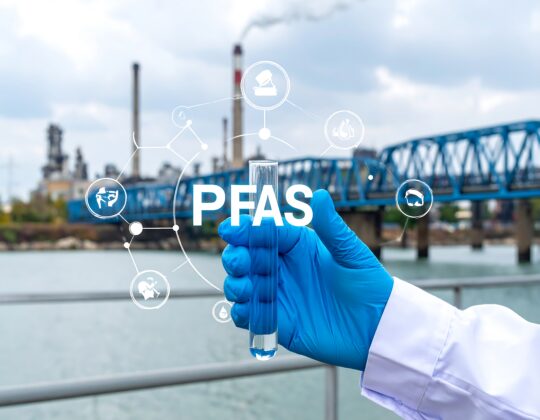
PFAS regulation across Europe is entering a new phase. From 2026 onwards, stricter controls on emissions, water quality, and industrial discharge will significantly reshape how operators manage PFAS across water, air, and gas streams.
France is leading this transition with one of the most assertive national frameworks, while EU-wide directives are introducing enforceable limits and expanding monitoring requirements.
2026 marks the transition from awareness to enforcement.

Download the full white paper to understand the implications, and how to prepare for what comes next.

Share

Related

What Are Perfluoroalkyl and Polyfluoroalkyl Substances?

PFAS are persistent contaminants found in drinking water, wastewater, landfill leachate and soil. Learn how PFAS spread, the environmental and regulatory…

Removing Contaminants in Polymer Composite Manufacturing

The polymer composite manufacturing sector has grown significantly over the past decade, driven by demand from aerospace, automotive, construction, marine…

Trifluoroacetic Acid (TFA): The Ultra-Short-Chain PFAS ‘Forever Chemical’

Most organisations are now familiar with PFAS — the broad family of persistent chemicals that has risen to the top of the environmental regulatory agenda.…

AOX in Wastewater: How to Remove Adsorbable Organic Halides and Meet Discharge Limits

Adsorbable Organic Halides (AOX) are one of the most closely monitored groups of contaminants in industrial wastewater. As regulatory pressure increases and…

Talk to a purification expert today

Find out more about how Puragen’s approach and capabilities can help with even the most complex purification needs.

Puragen
Top