
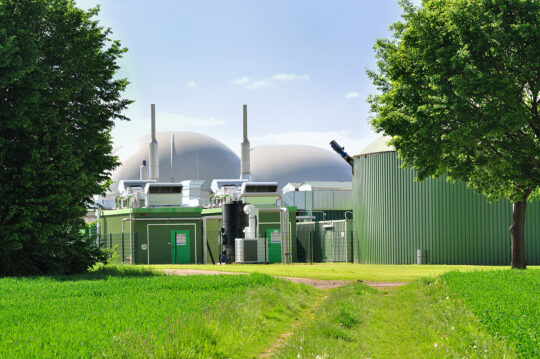
Biogas upgrading is the process by which raw biogas is refined into a cleaner, higher-quality gas that can be used as a renewable substitute for natural gas. This is a key step toward turning organic waste streams into a usable energy source for industrial, commercial and grid applications. But what does biogas upgrading entail, and how can it be beneficial over the long-term?
What is raw biogas?
Raw biogas is typically produced through anaerobic digestion of organic materials such as agricultural waste, food waste, sewage sludge or industrial byproducts. While it contains useful methane, it also includes impurities that must be removed before the gas can be injected into the gas grid. The composition of raw biogas depends on the feedstock and digestion conditions, typically including:
- Methane (CH4) 50-60%
- Carbon dioxide (CO2) 35-50%
- Hydrogen sulphide (H2S)
- Siloxanes
- Water vapour
- Trace ammonia and volatile organic compounds (VOCs)
Although in smaller quantities than methane, the compounds found in raw biogas can reduce efficiency, damage equipment, and create operational and environmental challenges if not removed.
How biogas upgrading works
There are several technologies used in biogas purification; each one is beneficial depending on the type of impurity being targeted and the desired outcome. These common methods include:
- Water scrubbing
- Pressure swing adsorption (PSA)
- Membrane separation
- Chemical scrubbing
- Activated carbon adsorption
The general process involves removing moisture and trace contaminants through a dehumidification or desulphurisation process, followed by separating the carbon dioxide from methane using common technologies. Once this is achieved, the biomethane can be compressed and injected into the grid or used on-site. For many industrial filtration needs, multiple phases are combined to achieve a higher-quality result.
Activated carbon plays a vital role in purification, widely considered a ‘best available technique’ to minimise industrial emissions and environmental pollution.
Activated carbon treatment is essential for eliminating contaminants that could otherwise decrease efficiency, raise maintenance needs, and shorten the lifespan of equipment. For many industrial filtration applications, combining multiple phases is beneficial to achieve higher-quality results.
The value behind biogas upgrading
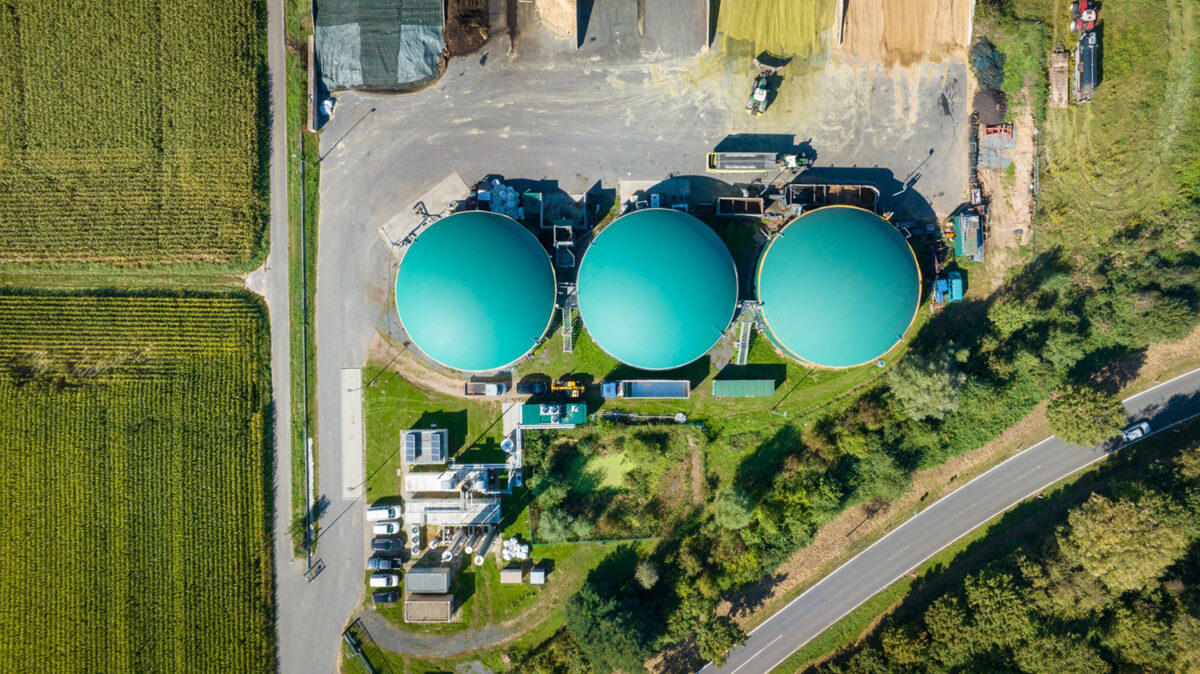
Upgrading biogas is important to maintain energy quality, infrastructure compatibility, and equipment protection. Gases such as hydrogen sulphide and VOCs are especially problematic, as they can corrode equipment, damage engines, reduce combustion efficiency, and contribute to unplanned downtime.
Raw biogas can be directly used for combined heat and power (CHP) generation, but its applications are somewhat limited due to its lower methane content and higher concentration of contaminants. In its natural state, raw biogas has fluctuations, which means gas networks, heat and power equipment, and end-use infrastructure cannot utilise biogas effectively without treatment.
By upgrading raw biogas into high purity biomethane, operators can access significantly more valuable applications. Biomethane can be injected directly into the gas grid, serving as a renewable, long-term energy source that supports decarbonisation targets and helps sectors maximise the benefits of anaerobic digestion.
As biomethane continues to be one of the fastest-growing renewable energy sources, effective upgrading systems are becoming increasingly important for operators. These systems enable the production of a premium renewable fuel while enhancing the commercial returns from organic waste streams.
How activated carbon is improving biogas upgrading
Activated carbon has been transformative in many biogas upgrading and treatment systems, particularly for the removal of trace contaminants that other technologies cannot efficiently capture. One area of interest is the removal of hydrogen sulphide (H2S). Even at lower concentrations, hydrogen sulphide is highly corrosive and toxic and can damage compressors, heat exchangers, and downstream infrastructure. Activated carbon can combat this by capturing and neutralising H2S effectively.
Activated carbon is also widely used to remove siloxanes, which are common in wastewater treatment and landfill sites. When siloxanes are combusted, they form silica deposits that can severely damage engines and turbines. Activated carbon removes harmful volatile organic compounds and odorous pollutants, while improving overall air quality.
Beyond contaminant removal, activated carbon helps improve the overall performance of biogas upgrading systems. By protecting sensitive downstream equipment, such as membrane separation units and compressors, activated carbon can extend equipment life.
Mobile carbon filtration systems for biogas upgrading
As new technology evolves and biogas solutions continue to grow and diversify, mobile filtration systems are becoming increasingly valuable as a flexible gas treatment application.
These units are a modular, ‘plug-and-play’ solution without the need for on-site carbon handling. The systems are designed to scale, so operators can adjust treatment according to operational requirements. Combined with activated carbon media, mobile units can maintain high flow rates, low pressure drops, and efficient contaminant removal across changing conditions.
What are the challenges within biogas upgrading?
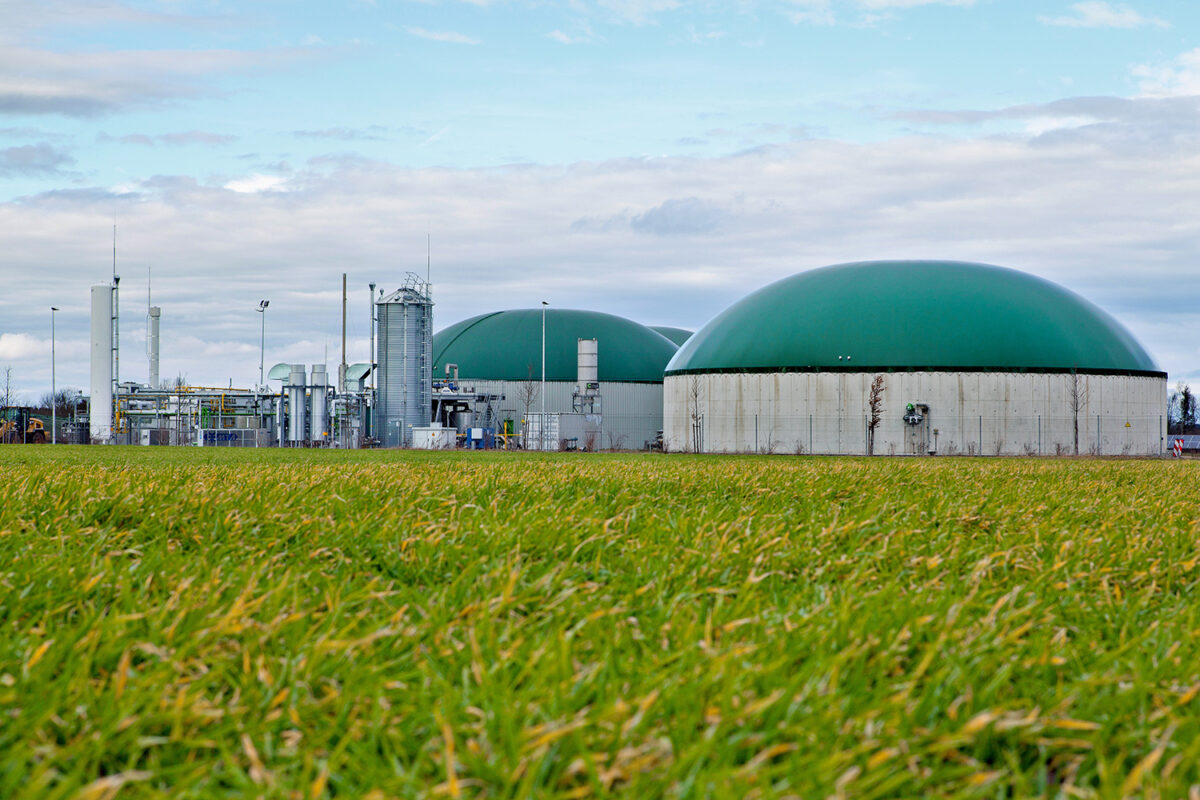
Although biogas upgrading is a widely deployed and developed technology, it still presents some operational challenges.
The variability in raw gas composition can place strain on treatment systems; for example, peaks in hydrogen sulphide or siloxanes may require a more robust and targeted adsorption medium. Fluctuating contaminant levels can also reduce the efficiency of downstream upgrading technologies, particularly membrane systems, if contaminants are not effectively removed beforehand. Consistent pre-treatment is therefore essential for maintaining stable performance and protecting valuable equipment.
Moisture management is also essential, as water vapour can reduce the efficiency of downstream purification stages and must also be carefully controlled. For large-scale biogas upgrading, therefore, several factors need to be taken into account in order to achieve high-quality performance to fall in line with strict biomethane compliance standards. Key design considerations include:
- Gas flow rates and contact time
- Contaminant load variability
- Bed sizing and pressure drop
- Regeneration or replacement strategy
- Integration with upstream and downstream systems
In industrial environments, performance consistency is often more important than achieving maximum capacity. This is especially true where feedstock quality can vary daily.
Discover Puragen’s biogas upgrading solutions
At Puragen, we provide tailored activated carbon solutions for biogas and biomethane purification applications. From mobile filtration systems to spent carbon reactivation that promotes a complete closed-loop cycle. Our technology is designed to help wastewater treatment plants, agricultural anaerobic digestion facilities and industrial biogas operators maximise renewable biomethane for grid-compliant energy production.
Get in touch with a member of our team to understand how we can help meet your purification requirements.