
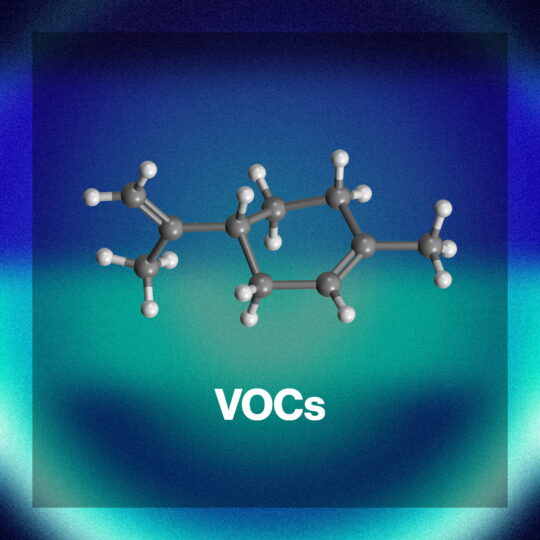
Volatile organic compounds (VOCs) are a constant concern for operational managers as regulations become increasingly stringent. Environmental compliance and workplace safety are core priorities for major sectors, and knowing how to maintain this in a changing climate is an essential part of the process. This guide explores the key questions related to VOCs, providing clarity for those seeking treatment solutions.

What are volatile organic compounds (VOCs)?
VOCs are organic chemicals that readily evaporate at ambient temperatures, with some common examples including benzene, toluene, xylene, and various hydrocarbons used in manufacturing processes. Many VOCs have a significant impact on environmental and health concerns, becoming a compliance issue when exceeding regulated limits or leading to wider air quality concerns.
Regulations differ on international and national scales, with many operators required to demonstrate control and maintain emissions within site-specific thresholds.
Where do VOC emissions typically come from?
The source of VOCs varies across a broad range of sectors, from petrochemical industries, oil refining, chemical manufacturing, wastewater treatment, remediation sites, and food and beverage purification.
How can VOCs be controlled on-site?
There are several technologies used to control VOCs for industry-specific compliance, each suited for different conditions.
Thermal oxidation is an energy-intensive process that destroys VOCs at high temperatures and is effective for consistent, high-concentration streams. Wet scrubbing is suitable for removing soluble VOCs from gas phase applications, while biological treatment exists to digest contaminants organically. Activated carbon is recognised as the best available technique (BAT) for capturing VOC molecules, even across low to moderate concentrations and variable flow rates.
How does activated carbon remove VOCs from air or gas streams?
An activated carbon filter has a highly porous structure with a large surface area that traps organic contaminants, such as VOC molecules, through adsorption. This process is influenced by certain factors such as temperature, humidity, the carbon media, and flow rates. With the right method and carbon formulation, high removal efficiency can be achieved for a wide range of contaminants. Once the carbon is ‘spent’, it can then go on to be reactivated for reuse.
What happens when carbon becomes ‘spent’?
Over time, the adsorption sites fill up with contaminants, and performance diminishes. When this occurs, the carbon must be replaced or reactivated through a thermal process. This restores the carbon’s adsorption qualities and safely destroys contained contaminants, creating high-performance reactivated carbon for further reuse.
How can operators choose the right VOC abatement solution?
Selecting the best approach of control for VOCs should begin with a clear understanding of each industry. An experienced supplier can choose the best treatment based on individual compliance requirements, operating conditions, and practical constraints that may apply. Activated carbon systems provide a practical and reliable solution against VOCs, adapting to meet changing regulations and operational schedules.
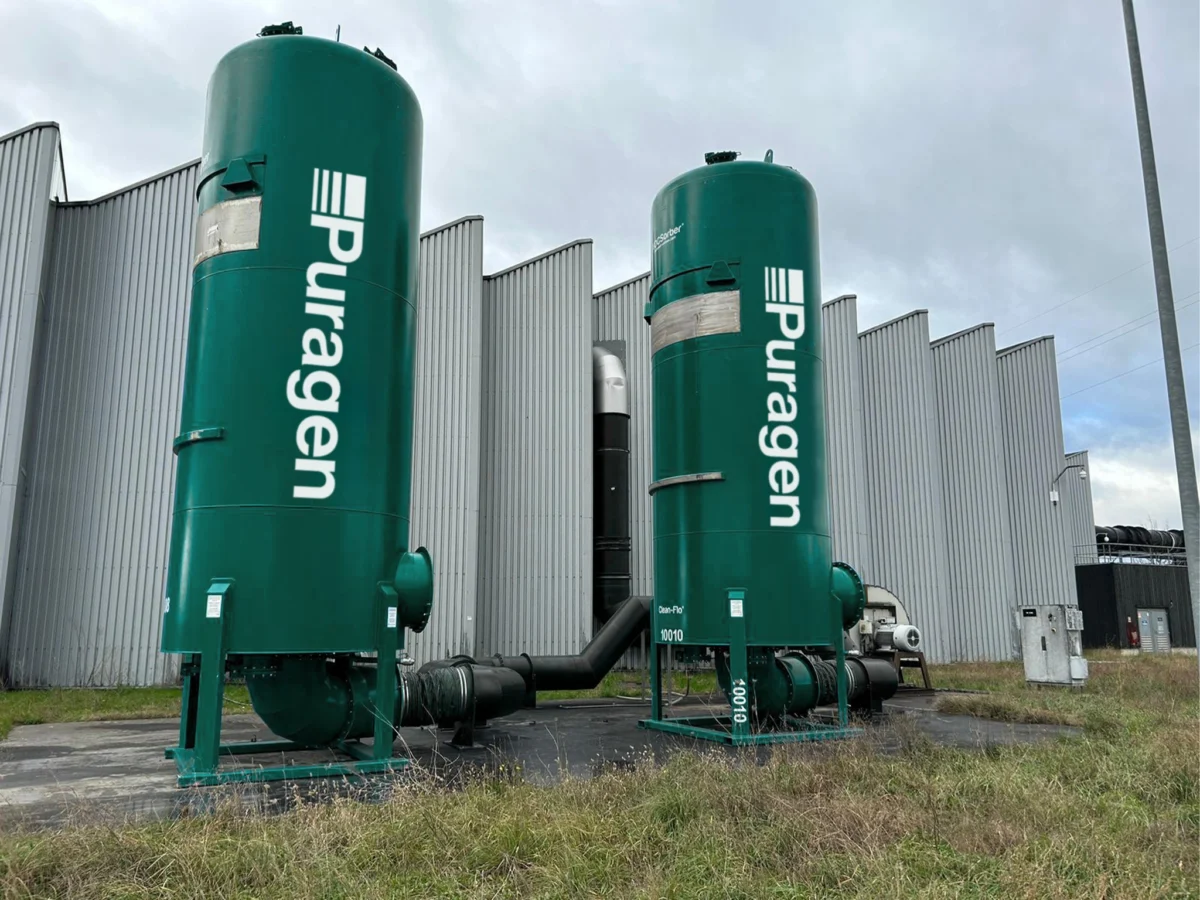
Achieve Optimal VOC Abatement with Puragen
Managing VOC emissions can be a confusing process, especially as the goalposts for regulations consistently move. Puragen assist a broad spectrum of industries with turnkey solutions, providing appropriate systems to tackle VOCs in a reliable, controlled, and sustainable approach.
To discuss your VOC or contaminant requirements, contact a member of our specialist team.