
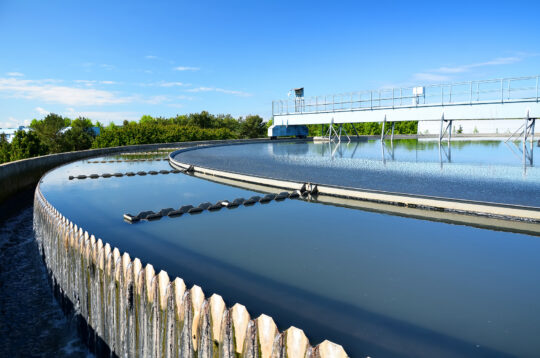
Industrial wastewater often contains a wide range of contaminants that must be removed prior to reuse. Among these contaminants, non-ionic surfactants have become a greater concern as they are used extensively over several sectors, including manufacturing, food production, pharmaceuticals, textiles, metal finishing, and cleaning applications.
The removal of non-ionic surfactants is not only essential for wastewater treatment, but it also helps safeguard downstream equipment and ensure organisations are meeting trade effluent discharge regulations. With standards regarding environmental responsibility increasing, the need for reliable treatment technologies has naturally followed.
What are non-ionic surfactants?
Surfactants are defined as chemical compounds that reduce the surface tension between liquids, solids, and gases. Non-ionic surfactants are distinctive from anionic and cationic surfactants as they do not possess an electrical charge when dissolved in water. Their excellent wetting, emulsifying, and detergent properties make them useful in a variety of applications, including but not limited to:
- Industrial cleaning products
- Food and beverage processing
- Pharmaceutical manufacturing
- Textile production
- Metal cleaning and degreasing
- Paints and coatings
- Agricultural formulations
Why it’s essential to remove non-ionic surfactants
Non-ionic surfactants are specifically designed to keep oils, greases, and other substances dispersed in water. This enhances the performance of cleaning products but also complicates the separation of contaminants during wastewater treatment. If left untreated, surfactants can lead to several issues, including:
- Diminished efficiency of biological treatment systems
- Stabilisation of emulsified oils and fats
- Increased foaming within treatment processes
- Elevation of chemical oxygen demand (COD) levels
- Adverse effects on downstream filtration performance
- Heightened maintenance requirements for treatment equipment
Compliance and industrial wastewater
In the UK, businesses that discharge trade effluent to the public sewer must comply with Trade Effluent Consent under the Water Industry Act 1991. Conditions commonly include limits to specific parameters, such as COD, suspended solids, pH and oils, depending on the industrial process. Across Europe, environmental legislation, such as the Urban Wastewater Treatment Directive, continues to place greater emphasis on reducing pollutants from affecting water quality and aquatic environments.
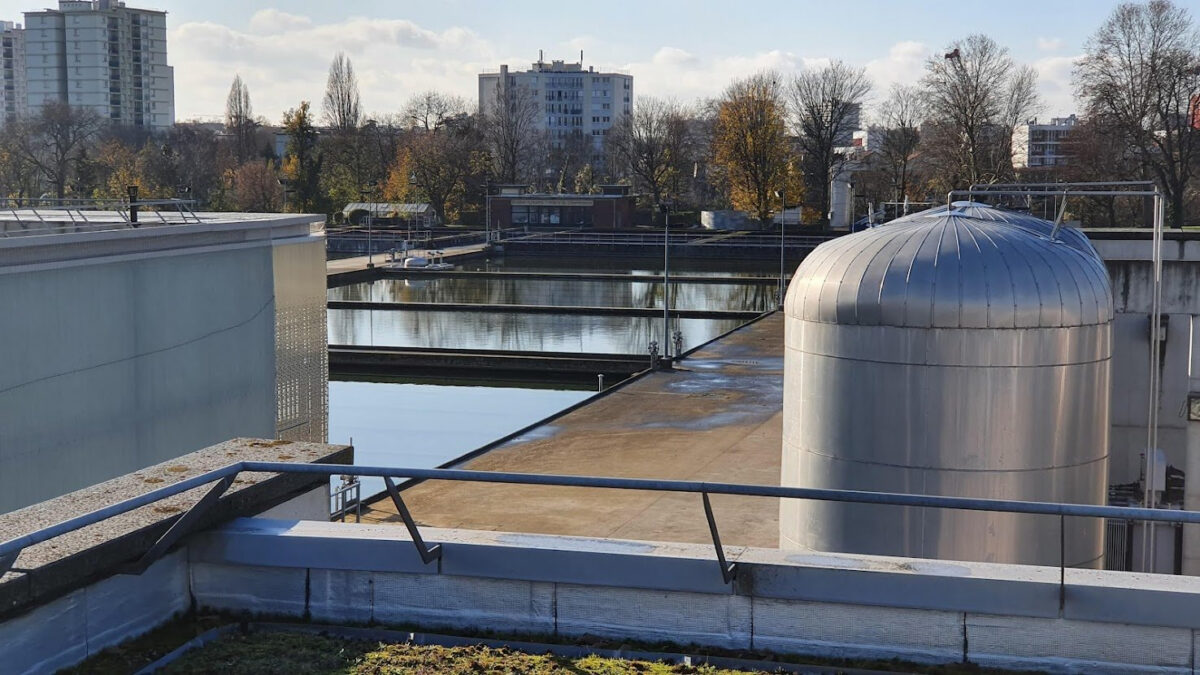
How are non-ionic surfactants removed from wastewater?
The behaviour of non-ionic surfactants varies depending on their chemical structure and composition in wastewater. Common challenges with treatment include:
- Variable surfactant concentrations
- Stable oil emulsions
- High organic loading
- Fluctuating flow rates
- Mixed contaminant streams
There is no single treatment that is suitable against all wastewater streams, with the most effective approach contingent upon factors such as surfactant concentration, wastewater composition, and discharge objectives. Common treatment methods include biological treatment, membrane filtration, and activated carbon adsorption.
Activated carbon and surfactant removal
Activated carbon is widely acknowledged as one of the most effective technologies for treating wastewater, removing dissolved organic compounds such as PFAS, VOCs, hydrocarbons, AOX, and other POPs, including a range of non-ionic surfactants.
Its highly porous structure extends across a large internal surface area, which facilitates the adsorption of organic molecules that remain, following primary and secondary treatment processes. Due to its ability to target dissolved contaminants, activated carbon is frequently deployed as a final treatment stage when high-quality effluent is required. Because of this, activated carbon offers a variety of operational advantages, including:
- Reduced concentrations of residual surfactants
- Lower chemical oxygen demand (COD) in the final effluent
- Enhanced water quality suitable for reuse applications
- Protection of downstream membranes and polishing equipment
- Removes odour and colour
- Improved compliance with discharge regulations
Mobile activated carbon filters for industrial wastewater
Industrial wastewater frequently fluctuates due to variations in production schedules, cleaning cycles, or seasonal demand. Such variability can lead to additional strain on fixed treatment systems.
Mobile activated carbon filtration units offer a flexible solution for both temporary and long-term treatment requirements. These modular systems can be rapidly deployed without the need for permanent installation, making them suitable for planned maintenance, seasonal fluctuations, emergency treatment, and enhancing existing capacity. When combined with specifically selected activated carbon media, these mobile systems encourage operators to swiftly adapt to changing wastewater conditions while preserving treatment efficiency.
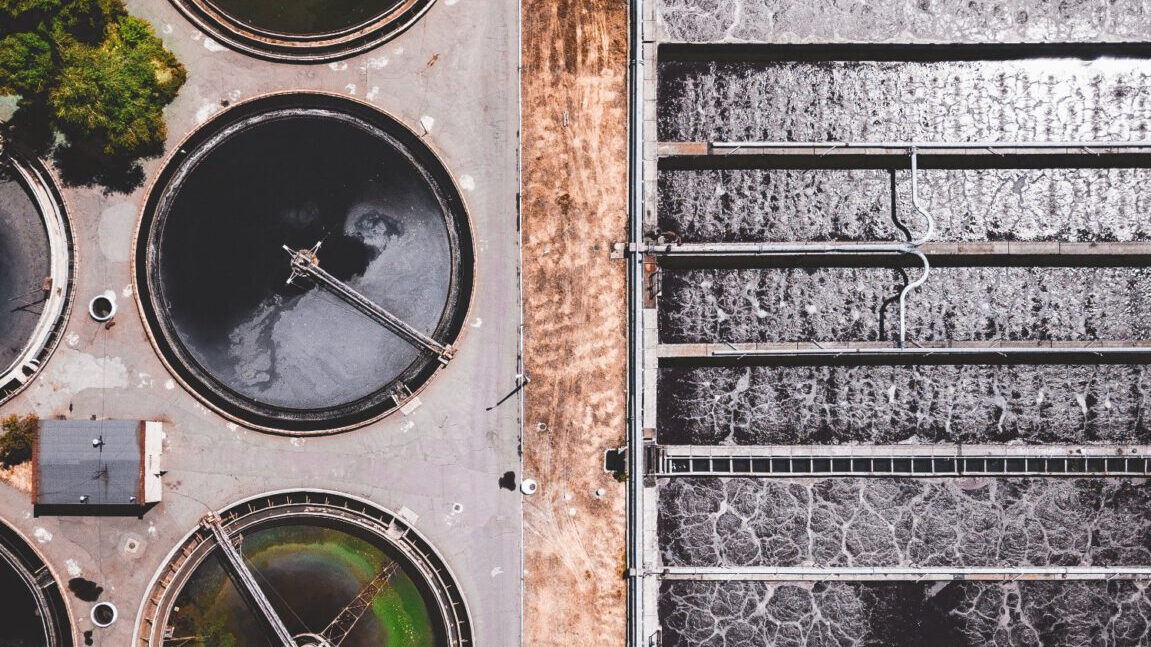
Achieve compliance with Puragen’s wastewater treatment solutions
Puragen offers specialised activated carbon solutions tailored for industrial wastewater treatment. Our extensive background across a wide range of sectors allows us to enhance effluent quality, extend equipment lifespan, and proactively remove harmful contaminants.
Puragen’s REACT-Sys+ reactivation technology enables the recycling of spent carbon, including carbon laden with persistent organic pollutants (POPs). This process achieves complete molecular breakdown and mineralisation, allowing spent carbon to be safely reused. As a result, it eliminates the need for landfill disposal or incineration, significantly reducing the lifecycle carbon footprint.
Get in touch with a member of our team to understand how we can help meet your purification requirements in wastewater.