
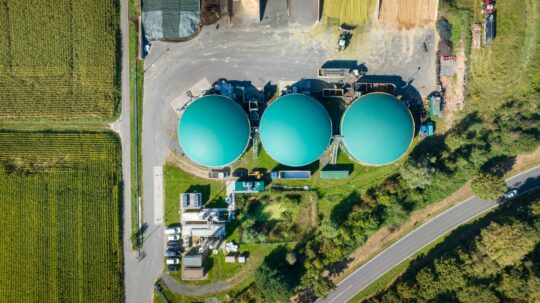
Governments and energy planners are increasingly looking for dependable, domestically sourced, renewable energy solutions. In this context, biogas is gaining recognition as a credible and scalable option. Rather than treating organic waste as a disposal challenge, its strategic value is now recognised, and we are seeing increased investment in systems that convert it into usable ‘green’ energy. This approach helps develop energy independence, reduce reliance on imported fossil fuels, make positive use of existing waste, and diversify income streams and jobs in agriculture.
In the UK, the extension of the Green Gas Support Scheme (GGSS) announced in December 2025 is helping to support sectors and promote the future development of anaerobic digestion sites for biomethane production. This allows for biogas to be upgraded to pure methane, using activated carbon filtration to remove contaminants to generate pure biomethane in greater proportions. In order to understand both the role of activated carbon and biogas, we must recognise what they are and their importance.
The Formation of Raw Biogas
When we use food waste, animal manure, energy crops, sewage sludge, or leftover waste from farms in a controlled decay process, we are left with raw biogas. This happens in the absence of oxygen, otherwise known as anaerobic digestion. This encourages microbes to break down the organic waste, leading to a mixture of gases, mostly methane (CH₄) and carbon dioxide (CO₂).
Why Upgrade Biogas to Biomethane?
Biogas contains mostly methane (50 – 75%), together with carbon dioxide (25 – 50%), plus other trace gases. In its raw form, biogas doesn’t meet grid injection standards and is mostly used for local heat and power, in so-called combined heat and power (CHP) engines. If left untreated, contaminants can lead to engine wear and corrosion, creating downtime, forcing higher maintenance and operating costs.
Fortunately, purification through activated carbon removes these impurities and leaves behind a clean version of its former self. This process not only protects equipment and infrastructure from damage, but it also allows for subsequent updating to biomethane, which can be injected directly into the gas grid or used as a vehicle fuel, such as for HGVs and tractors. Since biomethane is created from biogenic material and can cut the amount of carbon dioxide being released into the atmosphere, it’s very important as a renewable and potential net-negative fuel source.
The Purpose of Biomethane
Biomethane is almost pure methane, similar to natural gas, and is completely suitable to inject directly into the National Gas Grid. It can also be used as a vehicle fuel, a replacement for fossil diesel in suitably equipped tractors, buses and HGVs. This helps to diversify energy sources while reliably lowering carbon emissions.
How Activated Carbon Purifies Biogas
Since raw biogas can contain high amounts of impurities, purification is essential to obtain a usable renewable energy source and is necessary if subsequent upgrading to biomethane is required.
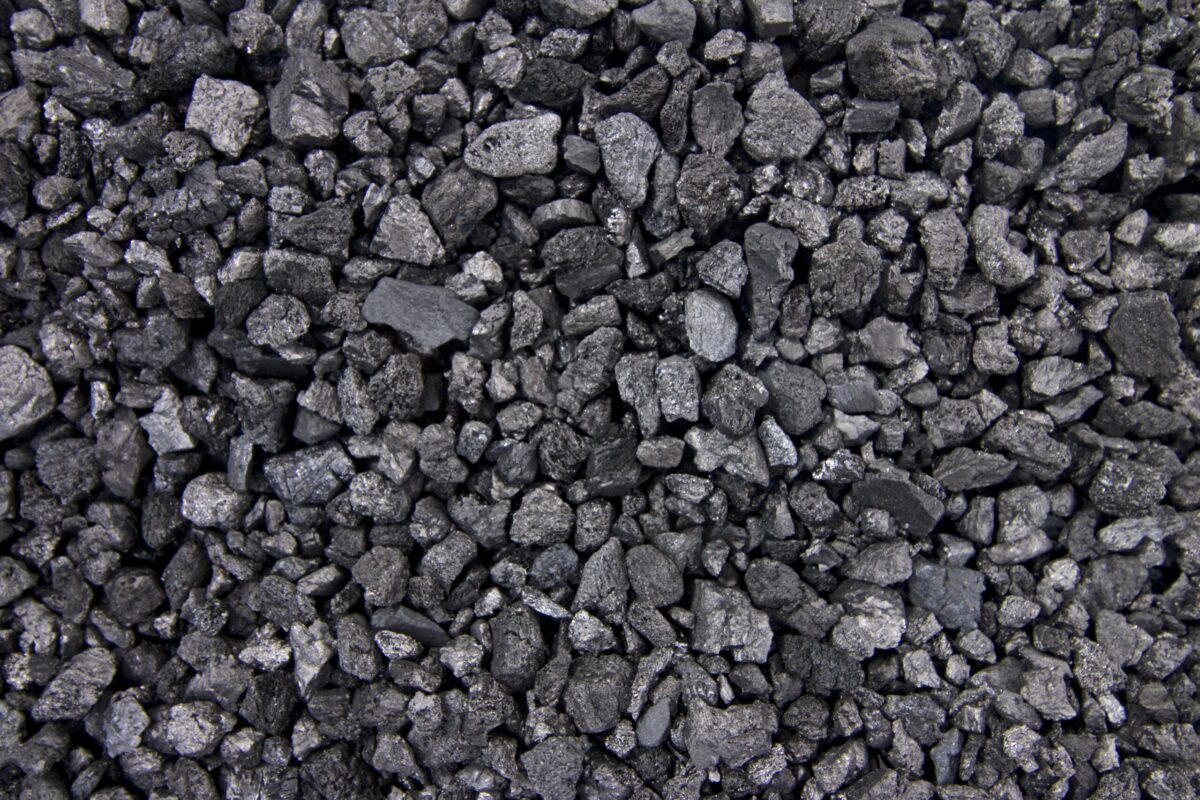
Activated carbon stems from natural sources, and its porous surface is excellent at capturing pollutants in gas and liquid phases. For biogas cleanup, this includes hydrogen sulfide H2S, siloxanes and other volatile organic compounds (VOCs).
Siloxanes: These are chemicals found in many domestic products and end up in waste streams. When burned, they create abrasive silica, which can damage CHP engines.
Odorous Compounds: Unpleasant smells, such as from ammonia (NH₃) and hydrogen sulfide (H2S), can form during storage and use of organic waste streams. These are known to degrade air quality and can lead to many complaints as a nuisance.
Hydrogen Sulfide: This is an odorous and flammable gas that can form corrosive acids when combined with moisture. It’s also known to cause health issues throughout the human body and disrupt ecosystems.
Volatile Organic Compounds (VOCs): Produced as a byproduct from industrial processes, VOCs can be found in waste and many common goods. In the atmosphere, especially in high concentrations, they can form ground-level ozone, causing respiratory issues, damage to organs or the nervous system, and even cause cancer.
As gas moves through an activated carbon filtration bed, the contaminants are captured within the carbon’s molecular structure, drawing out the impurities and leaving behind a clean product. Activated carbon units can be deployed with a range of capabilities, including:
- Portable mobile carbon filtration units provide a ‘plug and play’ service to easily connect to existing pipework, without additional setup.
- They are modular and scalable, meaning filters can be added or removed depending on flow rates and treatment objectives.
- Maintains tailored flow rates for consistent biogas quality throughout business operations.
- Supplied on a rental basis, so a CAPEX-free option for end users.
- Thermal reactivation services restore spent carbon to be reused.
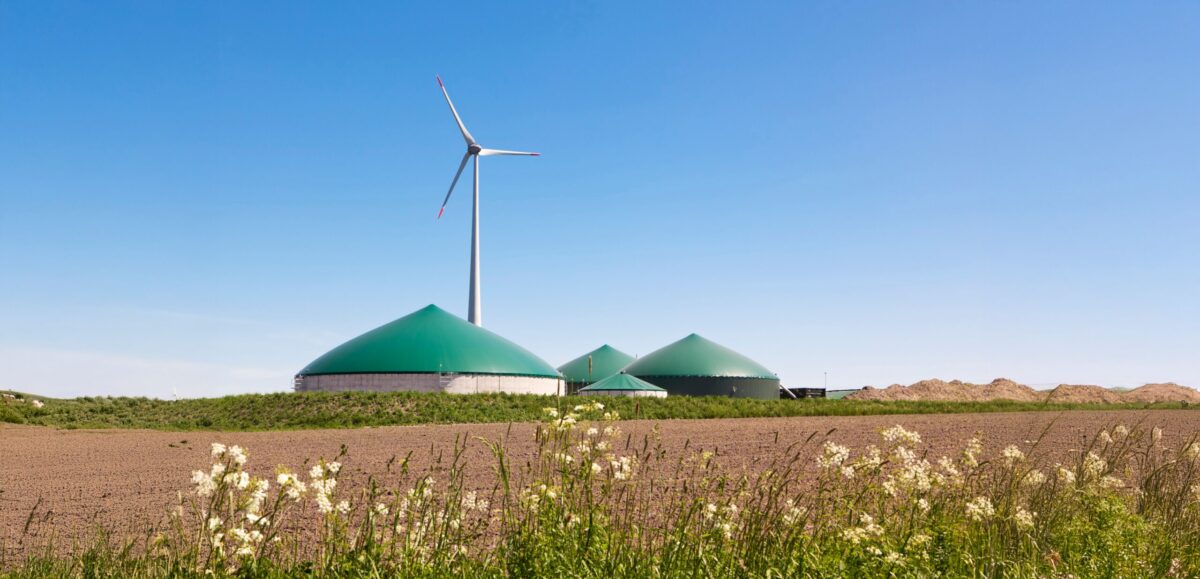
Why Biogas Matters in the Future of Renewable Energy
Upgrading biogas plays a key role in the pursuit of a net-zero future. Many beneficial points include:
Waste Reduction
As organic material decays, it releases several greenhouse gases linked to climate issues. By using anaerobic digestion, these are captured and easily purified. Such methods help to divert waste from landfills or incinerators, reduce harmful emissions, and promote closed-loop cycles.
Clean Energy
Fossil fuels are slowly being replaced with cleaner options as regulations tighten and environmental demands grow. Thankfully, biomethane offers a carbon-neutral, or even carbon-negative, solution, shifting markets to reliable, eco-friendly energy.
Useful Byproducts
The AD process produces a nutrient-rich fertiliser, also called digestate. Digestate is excellent for farm use, supporting soil health in both liquid and solid form and providing an eco-friendly alternative to traditional synthetic fertilisers produced by the chemical industry.
Reliable Energy
Upgrading biogas can help reduce CO₂ emissions, via the separation, capture and use of the biogenic carbon dioxide (CCU), while supporting industries’ self-reliance through local energy sources. Combined with activated carbon filters, it provides a drop-in replacement for fossil gas, helping to increase the proportion of renewables and reducing our dependence on imported fossil fuels.
Thermal Reactivation
Puragen’s breakthrough CR3 reactivation technology represents a significant step forward in the biogas and biomethane sectors. Enabling high sulfur activated carbons to be safely and sustainably recycled, the CR3 process removes what was previously a hazardous waste stream, supporting circular life span within the renewable gas industry.
This technology has been recognised for its impact on biogas operations, winning awards at the ADBA WBA AD & Biogas Industry Awards, along with the Lorenzo Cagnoni Award for Green Innovation.
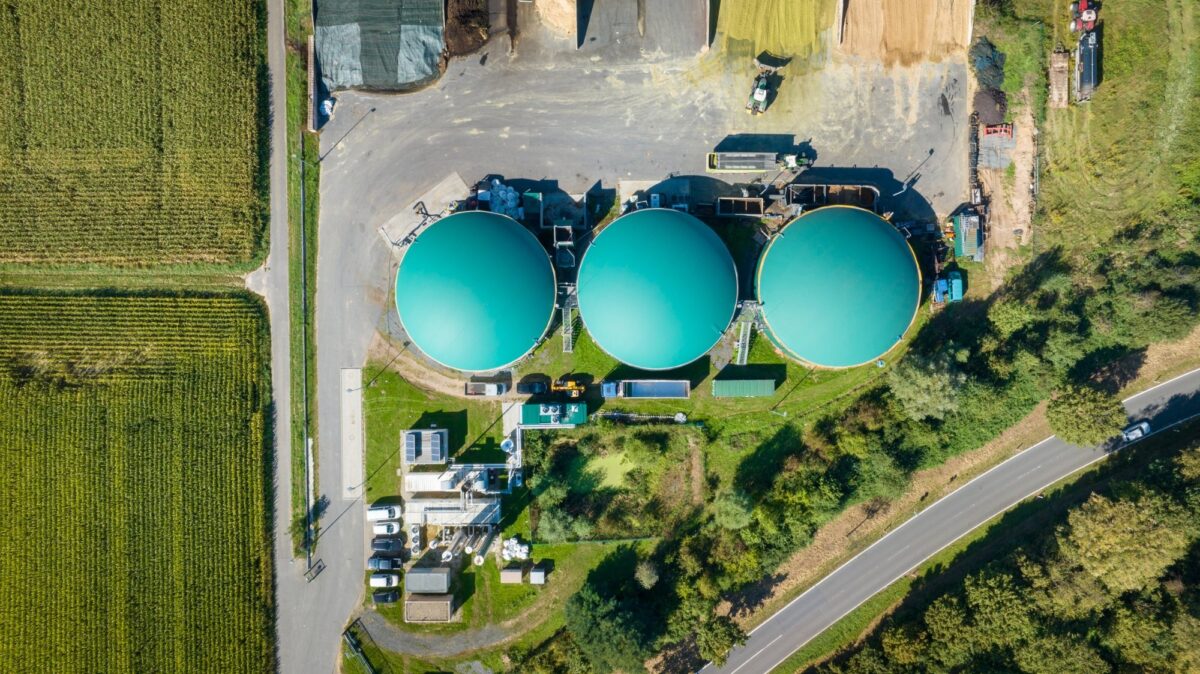
Puragen – Your Partner in Biogas Purification
As leading suppliers of activated carbon solutions in the renewable energy sector, we understand the complex variations that go into selecting the right application for your industry.
At Puragen, our high-capacity FiltraPure® media and VOCSorber® mobile carbon filtration units are tailored to the specifications of CHP engines and flow rates. With a strong stance on clean energy, we’re committed to ensuring your industry remains flexible and compliant, without added maintenance costs. Spent carbons can be recycled at our award-winning reactivation facility, where we have developed novel technology for treating carbons heavily loaded with sulfur – such carbons would previously have been considered as untreatable and disposed of as hazardous waste.
For additional guidance on activated carbon services or biogas and biomethane purification, speak to a member of our team today.