
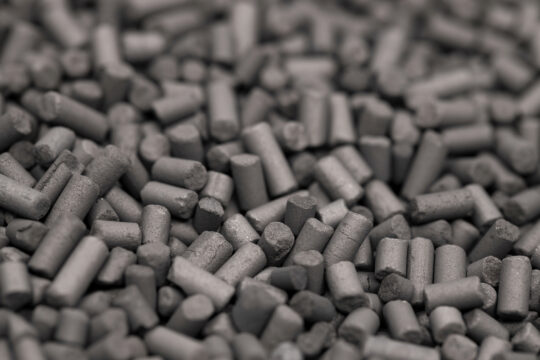
Activated carbon is a critical component in purification processes across numerous industrial and manufacturing sectors. Its highly porous structure provides a vast surface area for adsorbing contaminants, making it exceptionally effective for air and water filtration. As industries face increasing pressure to adopt more sustainable and cost-effective operational practices, the focus has shifted toward optimizing the lifecycle of activated carbon. This involves moving beyond single-use applications and embracing advanced methods for regeneration and reuse, which not only reduce environmental impact but also deliver significant economic benefits.
New technologies are transforming how we approach filtration. Instead of treating activated carbon as a disposable commodity, leading-edge techniques now allow for its restoration and repeated use without compromising performance. This evolution supports a circular economy model, minimizing waste and conserving the resources required to produce new carbon. For industrial and manufacturing facilities, this represents a pivotal opportunity to enhance operational efficiency while strengthening their commitment to environmental stewardship.
The Rise of Thermal Reactivation
One of the most significant advancements in carbon management is thermal reactivation. This process involves heating spent activated carbon in a controlled environment to a high temperature, typically around 800°C (1500°F). This intense heat effectively destroys the adsorbed organic contaminants, clearing the carbon’s pores and restoring its adsorptive capacity. The process is highly efficient, capable of recovering the majority of the carbon’s original performance characteristics, allowing it to be used again in the same application.
Modern thermal reactivation facilities are designed for maximum efficiency and minimal environmental impact. They incorporate sophisticated off-gas treatment systems to ensure that any byproducts from the destruction of contaminants are safely and responsibly managed. This method provides a reliable and sustainable solution for industries that generate large volumes of spent carbon. By opting for activated carbon regeneration, companies can substantially lower their carbon footprint and reduce the costs associated with purchasing new material and disposing of spent media.
Innovations in On-Site and Mobile Regeneration
The logistics of transporting spent carbon to an off-site facility can sometimes present challenges. In response, innovations have led to the development of modular, on-site, and mobile regeneration systems. These solutions bring the reactivation technology directly to the customer’s location, offering greater flexibility and minimizing downtime. Mobile filter units can be delivered as a “plug-and-play” service, where a fresh filter is exchanged for a spent one, with the regeneration process handled entirely off-site by the service provider.
This model streamlines the entire filtration management process. It eliminates the need for on-site waste handling and reduces the complexities associated with transportation logistics. For facilities with variable filtration needs or those located in remote areas, mobile and modular solutions provide a scalable and highly efficient alternative. This approach ensures a continuous supply of high-performance activated carbon while simplifying operational workflows and contributing to a more sustainable process.
Partnering for Long-Term Filtration Success
Adopting advanced regeneration technologies is most effective when managed through a long-term partnership. A comprehensive service provider can support every stage of the filtration lifecycle, from initial system design and media selection to the ongoing management of carbon reactivation and reuse. This collaborative approach ensures that purification systems are optimized for performance, cost-effectiveness, and sustainability.
By working with an expert partner, businesses gain access to specialized knowledge, advanced technologies, and a commitment to continuous improvement. A comprehensive service includes performance monitoring, logistical support, and ensuring that all regeneration processes meet stringent quality and environmental standards. This allows companies to focus on their core operations with the assurance that their filtration needs are being met most efficiently and responsibly possible.
Frequently Asked Questions About Activated Carbon Solutions: Industrial & Manufacturing
What are the main benefits of reactivating activated carbon?
The primary benefits of reactivating activated carbon are economic and environmental. Reactivation significantly reduces the costs associated with purchasing virgin carbon and disposing of spent material. Environmentally, it promotes a circular economy by minimizing waste, conserving natural resources, and lowering the overall carbon footprint of industrial filtration processes.
How does the performance of regenerated carbon compare to new carbon?
When regenerated using advanced thermal reactivation processes, activated carbon can regain a high percentage of its original adsorptive capacity. While there may be a small, gradual loss of performance over multiple cycles due to material attrition, modern techniques ensure that the regenerated carbon meets strict quality specifications and is highly effective for its intended application. A reliable service partner will conduct testing to certify its performance.
At Puragen, we deliver superior filtration solutions for our customers most sustainably and cost-effectively. We take a long-term partnership approach to manage every stage of the journey, from design to regeneration, and are committed to innovation that improves everything we do. To learn how we can help you solve your purification challenges, please get in touch with our team.