
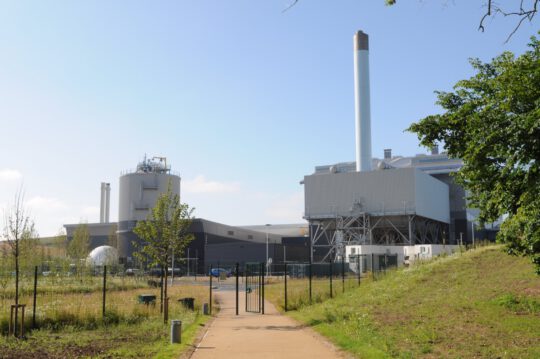
Flue Gas / Stack Emissions
Flue gas produced by incineration typically contains a range of toxic contaminants that need to be removed before atmospheric release. Puragen provides powdered activated carbon, considered the best available technology for the removal of mercury and furans, as well as for efficient dioxin removal in treatment (scrubber) systems. As environmental regulations become more stringent, effective flue gas treatment solutions are essential for maintaining compliance and protecting air quality.
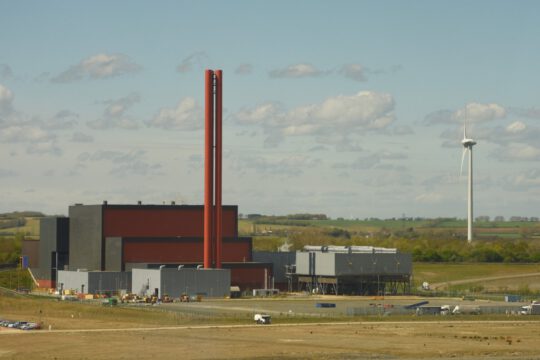
Contaminants we remove
Powdered activated carbon (PAC) is used in the flue gas treatment systems of EfW facilities to remove traces of dioxins, furans and heavy metals. Our solutions are designed to address both common and trace contaminants across a wide range of flue gas compositions.
Activated carbon products for Flue Gas & Stack Emissions
Puragen offers activated carbon products to remove a variety of contaminants from EfW facilities. These products are engineered to deliver reliable performance across varying system configurations and emission control requirements.
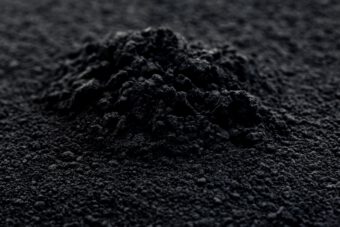
Powdered Activated Carbon (PAC)
Powdered activated carbon with optimised pore size distribution and surface chemistry to effectively remove unwanted compounds from industrial air streams.
PAC offers rapid adsorption capabilities, making it highly effective for capturing mercury, dioxins, and other hazardous air pollutants. Its versatility allows for precise application across different system designs while helping optimize overall treatment efficiency.
Relevant Industries
These industries commonly use Puragen’s Flue Gas/Stack Emissions applications. Take a look at our other products and services for these industries. Each industry presents unique emission challenges that require tailored treatment strategies for effective compliance.
Clean up emissions at EfW facilities and purify biogas at AD sites and landfills to protect CHP engines and upgrade biomethane for G2G injection
Capture emissions and odors from waste facilities such as waste reception halls and waste transfer stations
Filter emissions from industrial and manufacturing processes
Our Capabilities
To deliver the best possible filtration solutions for every customer, Puragen takes a long term partnership approach, we can manage and support each and every stage of the journey, and are committed to innovation to improve everything we do.

Expertise & Analytics
Our award winning chemists, materials scientists and engineers use leading lab facilities and analytics to derive and support precise technical solutions for each customer requirement.

Carbon Engineering
We supply a comprehensive range of carbons tailored to specific applications. We also enhance the performance of our carbon for specific processes via impregnation and precise particle sizing.

Fixed Filter Services
We can manage as much of the carbon lifecycle as each customer requires, from supply, carbon exchange and reactivation to system maintenance and optimisation.

Mobile Filtration
We operate a growing mobile filter fleet to deliver scalable, plug and play filters to customers, with maximum flexibility, minimal downtime, and no on-site waste handling.
Reactivation
We operate one of the most advanced closed-loop carbon reactivation networks in Europe to deliver efficient filtration, traceability and environmental benefits.

Integrated Logistics
Our processing and logistics hubs deliver to and support each customer’s needs across our full range of products and services.
case studies
Puragen Case Studies
See how Puragen is helping customers succeed with our Air & Gas applications. Our case studies demonstrate how targeted activated carbon solutions perform in real-world operating conditions. These examples highlight measurable improvements in emissions reduction, system efficiency, and regulatory compliance.
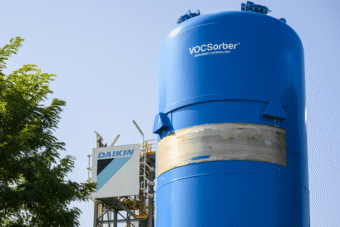
High-Efficiency PFAS Removal from Industrial Air Emissions
Puragen deployed an advanced activated carbon filtration solution at Daikin Chemical France, achieving over 90% removal of PFAS from industrial air…
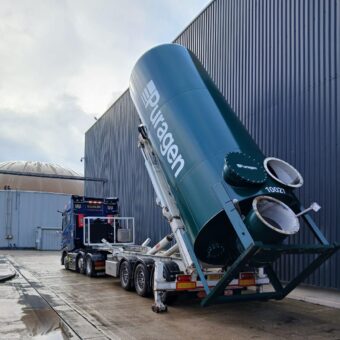
Advanced Odour Control Solution for Pet Food Production Facility
A low-maintenance activated carbon solution treating 15,000 m³/h, achieving odour-free operation and seamless integration from design to commissioning.
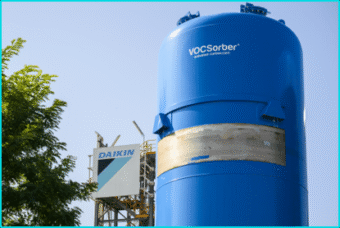
PFAS Abatement: Gas Phase Case Study
This case study demonstrates efficient removal and total destruction of PFAS from spent carbon.
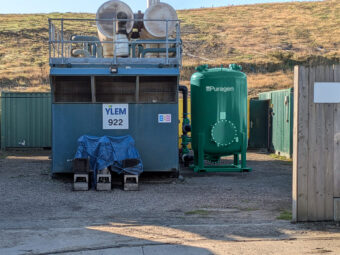
Extending Engine Life and Reducing OPEX at a Landfill Gas Site
A landfill gas site suffering severe engine wear and high maintenance costs trialled Puragen’s activated carbon purification. The solution reduced…
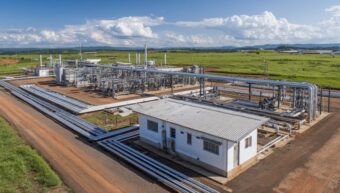
Restoring Amine System Performance at a Texas Gas Plant
Puragen provided a rapid mobile carbon filtration solution to a Texas natural gas plant facing severe amine system foaming. The treatment restored…
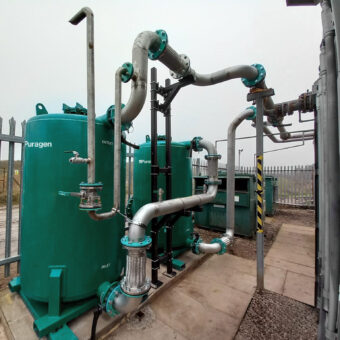
Landfill Gas Engine Protection: Removal of VOCs and Hydrogen Sulfide
The Problem The site was a landfill gas-to-electricity site, with a small footprint compound. Despite existing activated carbon mobile filters, the site…
Frequently Asked Questions
Flue gas is the exhaust produced from combustion processes such as incineration and industrial manufacturing. It often contains harmful pollutants that can impact air quality and public health. Regulations require these emissions to be controlled before release.
Activated carbon removes pollutants through adsorption, binding contaminants to its porous surface. This makes it highly effective for capturing mercury, VOCs, and other hazardous compounds. It is commonly used in air pollution control systems.
Powdered activated carbon is injected into flue gas streams to capture pollutants before filtration. It is widely used for removing mercury and dioxins in industrial applications. Its high surface area allows for fast and efficient treatment.
Yes, activated carbon solutions can be integrated into systems like baghouses and electrostatic precipitators. This allows facilities to improve emissions control without major equipment changes. Proper system design ensures optimal performance.
Industries such as energy, waste management, and manufacturing rely on flue gas treatment systems. Any process involving combustion can produce emissions that require control. Activated carbon provides a flexible solution across these sectors.