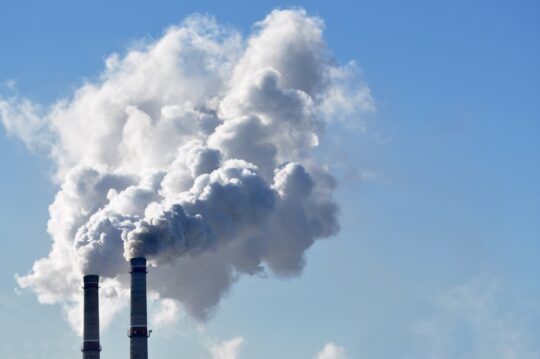
Across several industrial sectors, odour-causing molecules are released in a wide range of industrial processes, particularly where waste, heat, chemicals, or biological breakdown are involved. Puragen utilises advanced carbon filtration systems to tackle odour removal that’s rapid and sustainable.
Odour and Emission Control Across Industries
Emissions often contain volatile organic compounds (VOCs), sulfur-based gases (including hydrogen sulfide and mercaptans), ammonia, organic sulfides, amines, aldehydes and ketones. Many of these contaminants are detectable and unpleasant, even at extremely low concentrations, while others can pose potential health and environmental concerns if left untreated.
Typical sources include:
- Waste and recycling operations
- Biogas, landfill, and wastewater treatment plants
- Petrochemical and chemical manufacturing
- Food production, rendering and slaughterhouses
- Plastics, composites and bitumen/asphalt processing
- Tank venting, storage and bulk material handling
Balancing Compliance, Performance and Cost
While specific requirements vary by country, the overall direction remains clear. Regulators are tightening limits, local communities have become vocal, and ESG expectations are reshaping investment decisions. Within these three major markets, permits referencing VOCs and odour thresholds are rising, requiring demonstrable abatement technology and encouraging best available techniques, such as activated carbon filtration.
In the UK: This is regulated through the Environment Agency and local permitting, aligned with BAT/BREF guidance.
In the EU: This is governed by the Industrial Emissions Directive (IED) and sector-specific BAT conclusions.
In the US: This is enforced by the EPA via the Clean Air Act, NESHAP, MACT standards and OSHA exposure limits.
For many operators, maintaining compliance must go hand in hand with operational efficiency. Effective odour abatement technologies must therefore deliver reliable results without driving up costs, energy use or downtime.
How Activated Carbon Delivers Effective Odour Removal
Activated carbon remains one of the most simple, reliable and effective technologies for VOC capture and odour control. Its highly porous network of microscopic pores, across a large surface area, enables the adsorption of unwanted molecules, as contaminated air, gas, or vapour passes through the filter bed, they remain trapped within the pore structure. Various carbon formulations are available to match the specific application, including:
- Coal-based GAC and pellets for VOC abatement
- Coconut-shell carbon for lighter organic contaminants
- Specialist impregnated carbons for sulfur, ammonia, or targeted inorganic compounds
This flexibility means that activated carbon systems are suitable for air, gas and vapour phase treatment across both temporary and permanent installations.
- Fixed Bed Filters: Tailored for specific waste or process streams, using carbon grades optimised for each contaminant.
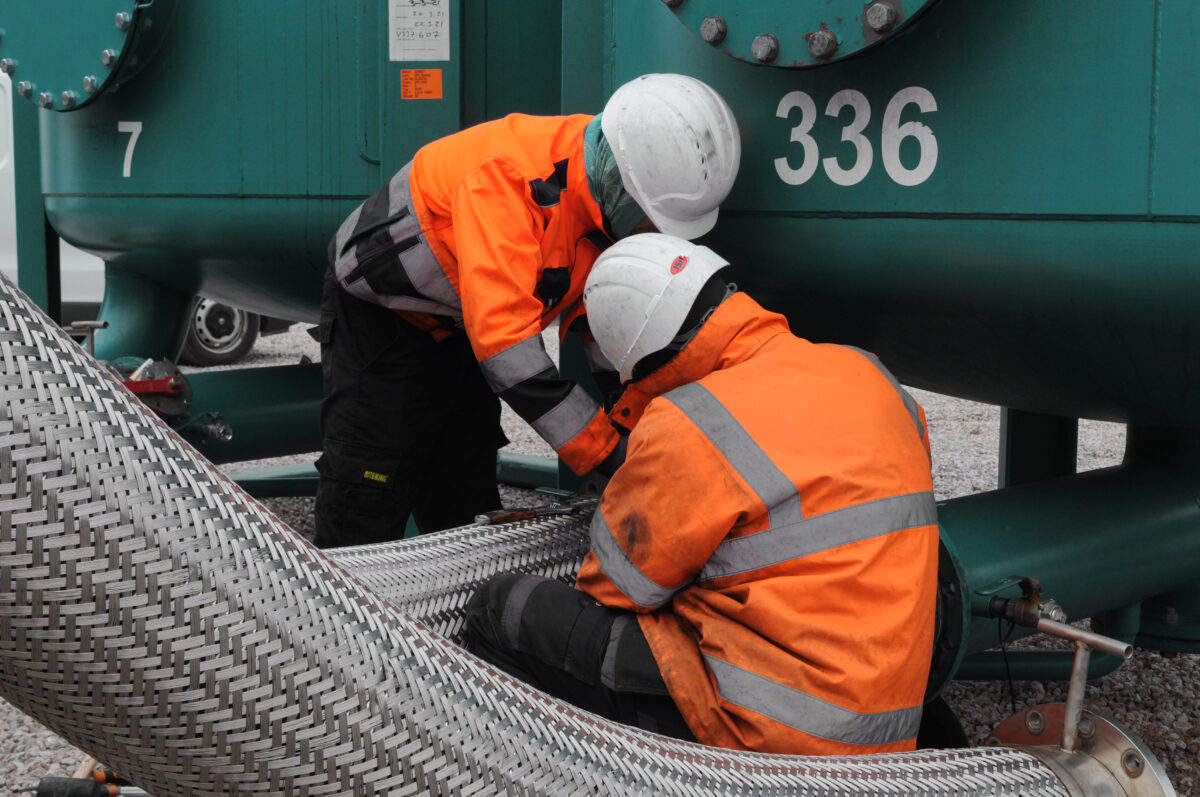
- Mobile Carbon Filters: Pre-filled, plug-and-play units offer rapid deployment, scalable capacity and minimal setup.
- Carbon Reactivation: Once saturated, spent carbon can be thermally reactivated, restoring adsorption capacity and reducing waste.
Combining adsorption performance with high-quality systems provides reliable, economical, and sustainable solutions for odour and emission management.

Puragen – Your Trusted Partner in Purification
Our technical team of experts deliver economic and sustainable odour control solutions. Activated carbon is formulated from organic carbon-rich materials such as coal, coconut shell and wood, with mobile carbon filters delivering exceptional results for many applications.
We’re proud to offer the ability to reactivate spent carbons at our green-apple award-winning recycling facility, supporting the effective capture of harmful molecules for cleaner, more sustainable and enhanced industrial operations.
For further guidance about activated carbon services and air purification, please get in touch with a member of our team today.